

Seagate
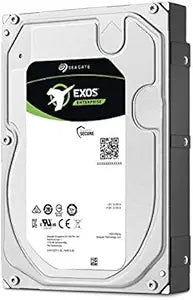
Seagate ST6000NM002A 6TB 7200RPM Enterprise HDD
Six terabytes at 7200RPM with a 256MB cache gives enterprise workloads the sustained throughput and endurance that desktop-class drives can't deliver.
Check availability
Affiliate Disclosure: As an Amazon Associate, Studio Supplies earns from qualifying purchases made through links on this page, at no additional cost to you. This helps support our editorial team.
Notice a mistake? Let Us Know
Overview
Key Features
ST6000NM002A
SEAGATE
Specifications
Model
ST6000NM002A
Series
Exos 7E8
Capacity
6TB
Interface
SATA
Spindle Speed
7200 RPM
Cache
256MB
Form Factor
3.5"
Sector Size
512N
Frequently Asked Questions
What workloads is the Exos 7E8 series actually designed for, and where does a desktop NAS drive fall short by comparison?
The Exos 7E8 is rated for 24/7 continuous operation with a workload rating of 550TB per year — far beyond the 180TB/year typical of desktop or NAS-grade drives. In practice, that means it won't thermally throttle or degrade under sustained multi-user read/write loads that would stress a consumer drive within months.
What does 512N sector format mean, and does it affect compatibility with my system?
512N means native 512-byte sectors, as opposed to 512e (512-byte emulation on 4K physical) or 4Kn (native 4K). This is the most broadly compatible format — older operating systems, HBAs, and RAID controllers that predate Advanced Format support work with 512N without configuration changes.
Does the 256MB cache actually improve real-world performance on this drive?
Yes, meaningfully for sequential workloads. The 256MB cache buffers write bursts, smoothing out spikes in throughput when the drive transitions from cached to platter writes. For sequential reads in NAS or server environments — streaming large files, database scans — the cache reduces seek latency overhead noticeably compared to drives with 64–128MB buffers.
Is this drive compatible with standard 3.5-inch SATA bays, and does it require any special power or cooling?
It uses a standard SATA interface and 3.5-inch form factor, fitting any compatible bay without adapters. Cooling is worth planning for — enterprise 7200RPM drives run warmer than consumer counterparts. Adequate airflow in the enclosure or server chassis is important for long-term reliability.
How does 6TB capacity at this price tier position it in a multi-drive array?
At 6TB per drive, a four-drive RAID 5 or RAID 6 array delivers 12–18TB of usable storage depending on parity configuration. For small business NAS deployments or tiered storage in a server rack, this capacity point balances cost-per-terabyte against array management complexity more effectively than 2–4TB drives.
Related Products
