



Sony
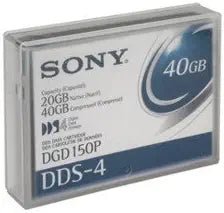
Sony DGD-150P DDS-4 Tape 20/40GB Data Cartridge
20GB native DDS-4 tape capacity delivers cost-efficient high-volume backup at a per-gigabyte cost no HDD can match for archival use.
$20.00*
View on Amazon
✓ In Stock on Amazon.com
*Price sourced from Amazon.com. Last updated:Oct 23, 2026.Price and availability are subject to change — details.
Affiliate Disclosure: As an Amazon Associate, Studio Supplies earns from qualifying purchases made through links on this page, at no additional cost to you. This helps support our editorial team.
Notice a mistake? Let Us Know
Overview
Key Features
DDS-4 4mm Data Tape Cartridge has a native capacity of 20 GB, compressed capacity of 40 GB and 150 meter tape length. Cartridge features a media recognition system for digital storage recording. Ul
Specifications
Format
DDS-4 (4mm)
Native Capacity
20 GB
Compressed Capacity
40 GB (2:1)
Tape Length
150 meters
Durability
5,000 head passes
Media Recognition
MRS (Media Recognition System)
Brand
Sony
Model
DGD-150P
Similar Products
Other products from the same family that visitors often consider:
 ✓ Available
Sony DGD-150P DDS-4 Backup Tape Bulk Packaging
$17.35
View on Amazon → ✓ Available
Sony 10-DGD150P DDS4 20/40GB Data Cartridge 10-Pack
$157.35
View on Amazon →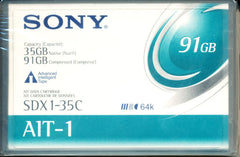 ✓ Available
Sony SDX135C 35/91GB AIT-1 Data Tape Cartridge
$12.95
View on Amazon →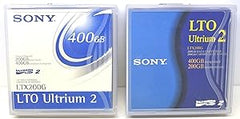 Currently Unavailable
Sony 8541704529 LTO-2 Ultrium 200GB/400GB Data Tape Cartridge
Check on Amazon → ✓ Available
Sony SDX5400C AIT-5 Data Tape Cartridge 400GB/800GB
$27.35
View on Amazon →Frequently Asked Questions
What drives are compatible with this DGD-150P cartridge?
This is a DDS-4 format 4mm data cartridge. It requires a DDS-4 compatible DAT drive — it will not work in DDS-1, DDS-2, or DDS-3 drives, which use the same 4mm form factor but different track pitch and recording density. Verify your drive's DDS generation before ordering.
What does the 20GB native / 40GB compressed capacity mean in practice?
Native capacity (20GB) is what the tape physically stores without any compression algorithm applied. The 40GB compressed figure assumes a 2:1 compression ratio on typical enterprise data — real-world compressed capacity varies by data type. Already-compressed files (ZIP, video, encrypted backups) will not compress further and will hit the 20GB ceiling.
What is the Media Recognition System (MRS) and why does it matter?
MRS is a physical identification system embedded in the cartridge that allows compatible DDS-4 drives to automatically detect the tape format and capacity without manual configuration. It prevents accidental loading of the wrong DDS generation into a drive and simplifies automated tape library operation.
How many times can this cartridge be reused?
Sony rates DDS-4 cartridges for 5,000 head passes. For daily full backups that means multi-year service life under normal rotation practices. Tape should be retired when read/write errors begin appearing in drive logs — not on a fixed calendar schedule.
Is DDS-4 still a viable backup format for new deployments?
DDS-4 is a legacy format. It remains viable for maintaining existing tape infrastructure where DDS-4 drives are already deployed, and for long-term archival where the cartridges are stored and infrequently accessed. New deployments should evaluate LTO-generation tape systems, which offer significantly higher capacity and active vendor support.
Related Products


