

TP-Link
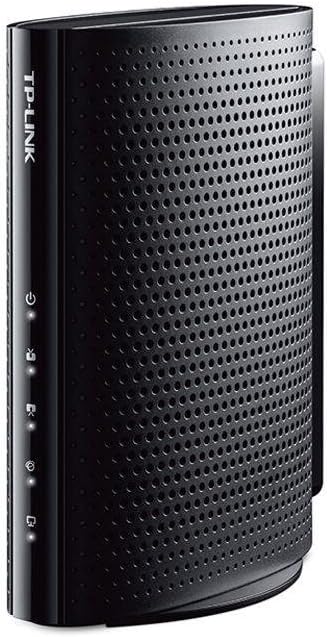
TP-Link Cable Modem Only DOCSIS 3.0 TC-7620
Cut your ISP's modem rental fee and unlock DOCSIS 3.0 speeds up to 680Mbps with 16-channel bonding.
$79.99*
View on Amazon
✓ In Stock on Amazon.com
*Price sourced from Amazon.com. Last updated:Oct 23, 2026.Price and availability are subject to change — details.
Affiliate Disclosure: As an Amazon Associate, Studio Supplies earns from qualifying purchases made through links on this page, at no additional cost to you. This helps support our editorial team.
Notice a mistake? Let Us Know
Overview
Key Features
Eliminate Rental Fee: Eliminate your cable modem monthly rental fee
Cable Modem Only: You will also need a router to enable Wi-Fi. Channel Width : 96MHz(16 channels) / 6MHz (single channel). Modulation : 64 QAM / 256 QAM
Faster Speed: DOCSIS 3.0 Cable Modem provides 16X faster download speed than DOCSIS 2.0 for an ultra-fast performance; Channel bonding of up to 16 downstream and 4 upstream channels, provide data rates up to 680Mbps for download and 143Mbps for upload
ISP CERTIFIED: Great for Cable Internet plans up to 300Mbps with XFINITY from Comcast, Spectrum (Including Charter, Time Warner Cable, and Bright House Networks), Cox, Suddenlink, Mediacom, and WOW
Industry Leading Support: 2-year warranty and free 24/7 technical support; J.D. Power Ranked TP-Link "Highest in Customer Satisfaction for Wireless Routers in 2017"
Specifications
DOCSIS Version
3.0
Downstream Channels
16
Upstream Channels
4
Max Download Speed
Up to 680Mbps
Max Upload Speed
Up to 143Mbps
Downstream Frequency
88–1002 MHz
Upstream Frequency
5–42 MHz
Channel Width
96 MHz (16 channels) / 6 MHz (single channel)
Modulation
64 QAM / 256 QAM
LAN Interface
1× Gigabit Ethernet (RJ45)
WAN Interface
1× F-Connector (coaxial)
ISP Compatibility
Xfinity, Spectrum, Cox, Suddenlink, Mediacom, WOW (up to 300Mbps plans)
OS Compatibility
Windows, Mac OS, UNIX, Linux
Warranty
2 years
Frequently Asked Questions
What internet speed plans is the TC-7620 compatible with?
ISP certifications cover Xfinity, Spectrum, Cox, Suddenlink, Mediacom, and WOW for plans up to 300Mbps. The 16×4 channel bonding architecture theoretically handles up to 680Mbps downstream, but plan compatibility is the practical ceiling — confirm your specific plan tier with your ISP before purchasing.
Does this modem include a built-in router or Wi-Fi?
No. The TC-7620 is a cable modem only — it provides the coax-to-Ethernet translation and hands off a single wired connection via its Gigabit Ethernet port. You'll need a separate router if you want Wi-Fi or multiple wired devices on the network.
How does DOCSIS 3.0 16×4 channel bonding improve on older modems?
DOCSIS 2.0 used a single downstream channel, capping speeds far below what most modern plans offer. The TC-7620's 16 bonded downstream channels aggregate bandwidth across multiple frequencies — the result is up to 16× the theoretical downstream throughput of a DOCSIS 2.0 device, and a more resilient connection when individual channels experience interference.
What is the upstream channel configuration and how does it affect uploads?
The TC-7620 bonds 4 upstream channels, delivering up to 143Mbps upload. For most residential use cases — video calls, cloud backups, streaming to external services — this is more than sufficient. Power users on symmetrical or high-upload plans should verify whether their ISP's upstream provisioning matches this ceiling.
Does the modem require any special software or configuration?
No dedicated software is required. Once provisioned by your ISP (a process done over the phone or online), the modem operates transparently. It's compatible with Windows, Mac, UNIX, and Linux — the OS only needs to be able to use DHCP, which all modern systems handle natively.
Related Products


