



TP-Link
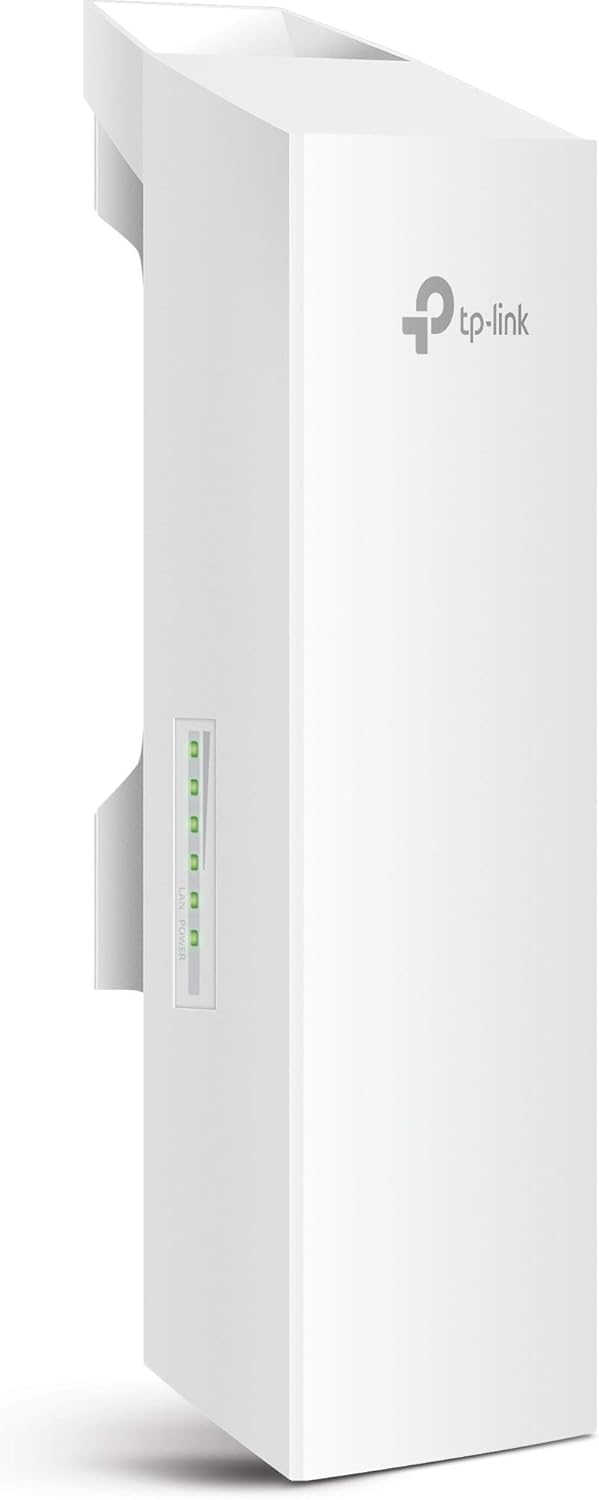
TP-Link CPE210 N300 Long Range Outdoor CPE - PtP/PtMP Bridge
Extend Your Network with the TP-Link N300 Outdoor CPE The TP-Link 2.4GHz N300 Long Range Outdoor CPE is designed for cost-effective solutions in outdoor wireless networking. Ideal for point-to-point, point-to-multipoint, and outdoor Wi-Fi coverage, this CPE provides reliable wireless transmissio...
$46.00*$49.99Save 7%
Check availability
*Price sourced from Amazon.com. Last updated:Oct 25, 2026.Price and availability are subject to change — details.
Affiliate Disclosure: As an Amazon Associate, Studio Supplies earns from qualifying purchases made through links on this page, at no additional cost to you. This helps support our editorial team.
Notice a mistake? Let Us Know
Overview
Extend Your Network with the TP-Link N300 Outdoor CPE
The TP-Link 2.4GHz N300 Long Range Outdoor CPE is designed for cost-effective solutions in outdoor wireless networking. Ideal for point-to-point, point-to-multipoint, and outdoor Wi-Fi coverage, this CPE provides reliable wireless transmission over long distances. Its centralized management system and user-friendly design make it perfect for both business and home users.
Specifications:
- Wireless Standards: IEEE 802.11a/n (with Pharos MAXtream disabled)
- Frequency Range: 2.4GHz
- Antenna: Built-in 9dBi 2x2 Dual-polarized Directional MIMO Antenna
- Transmission Power: Adjustable from 0 to 27dBm/500mW
- Interface: 1 x 10/100Mbps Shielded Ethernet Port (Passive PoE in), 1 x Grounding Terminal, 1 x Reset Button
- Range: 5km+ (System level optimizations for long-range transmission)
- Operation Modes: AP/ Client/ AP Router/ AP Client Router (WISP)
- Power Consumption: 10.5 Watts Max
Key Features
Built in 9dBi 2x2 dual polarized directional MIMO antenna
Adjustable transmission Power from 0 to 27dBm/500mW. Power Consumption: 10.5 Watts Max, Note: When deployed using Passive PoE, the power drawn from the power source will be higher by some amount depending on the length of the connecting cable
System level optimizations for more than 5km long-range wireless transmission (only for paired Point-to-Point or Point-to-MultiPoint transmission)
TP Link Pharos tdma (Time Division Multiple Access) technology improves product Performance in throughput, Capacity and latency Performance
Centralized management system Pharos Control
AP/ client/ AP router/ AP client router (WISP) operation modes
Passive PoE adapter Suppots up to 60 meter (200 Feet) Power over Ethernet deployment and allows the device to be reset remotely
Connectivity technology: Wi-Fi Built In
Specifications
Antenna Type
9dBi 2x2 Dual Polarized Directional MIMO
Transmission Power
0 to 27dBm/500mW (Adjustable)
Max Power Consumption
10.5 Watts
Long-Range Transmission
> 5km (for PtP/PtMP)
Wireless Technology
TP-Link Pharos TDMA
Management System
Pharos Control
Operation Modes
AP/Client/AP Router/AP Client Router (WISP)
PoE Support
Passive PoE (up to 60 meters/200 feet)
Connectivity Technology
Wi-Fi Built In
Frequently Asked Questions
What type of antenna is built into the TP-Link CPE210?
The TP-Link CPE210 features a built-in 9dBi 2x2 dual polarized directional MIMO antenna.
Can the transmission power be adjusted on this device?
Yes, the transmission power is adjustable from 0 to 27dBm/500mW, allowing for flexible signal management.
What is the maximum long-range wireless transmission capability?
This device offers system level optimizations for more than 5km long-range wireless transmission, specifically for paired Point-to-Point or Point-to-MultiPoint setups.
What technology does TP-Link use to improve wireless performance?
It uses TP-Link Pharos TDMA (Time Division Multiple Access) technology, which improves product performance in throughput, capacity, and latency.
Does this CPE have a centralized management system?
Yes, it is compatible with Pharos Control, a centralized management system for efficient network oversight.
What operational modes are supported by the CPE210?
The CPE210 supports AP, client, AP router, and AP client router (WISP) operation modes, offering versatile deployment options.
Can the device be powered over Ethernet?
Yes, a Passive PoE adapter supports up to 60 meters (200 feet) Power over Ethernet deployment and also allows the device to be reset remotely.
Related Products


