



TP-Link
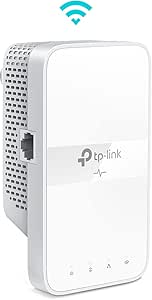
TP-Link Powerline Wi-Fi Extender TL-WPA7617 AV1000
HomePlug AV2 powerline technology delivers up to 1000 Mbps wired backhaul and AC1200 dual-band Wi-Fi to dead zones without running new cable.
$49.99*$59.99Save 16%
View on Amazon
✓ In Stock on Amazon.com
*Price sourced from Amazon.com. Last updated:Oct 23, 2026.Price and availability are subject to change — details.
Affiliate Disclosure: As an Amazon Associate, Studio Supplies earns from qualifying purchases made through links on this page, at no additional cost to you. This helps support our editorial team.
Notice a mistake? Let Us Know
Overview
Specifications
Model
TL-WPA7617 AV1000
Wireless Standard
Wi-Fi
Type
Powerline Wi-Fi Extender
Frequently Asked Questions
What real-world throughput can I expect from the TL-WPA7617's 1000 Mbps powerline link?
The 1000 Mbps rating is the theoretical maximum under ideal electrical conditions. Real-world throughput typically lands between 200–400 Mbps depending on wiring age, circuit distance, and interference from other devices on the same electrical loop. That is still well above what most broadband connections require for 4K streaming or video calls.
Does the TL-WPA7617 work across different circuit breakers in the same building?
HomePlug AV2 signals can cross circuit breakers in most residential panels, but performance degrades noticeably when the two plugs are on different legs of a split-phase panel. For best results, plug both units into outlets fed from the same breaker leg.
What Wi-Fi speeds does the AC1200 radio deliver, and how is it split between bands?
AC1200 represents a combined dual-band rating — 300 Mbps on the 2.4 GHz band and 867 Mbps on the 5 GHz band. Clients that support 5 GHz 802.11ac and are in close proximity to the extender unit will see the higher throughput; legacy 2.4 GHz devices share the lower-speed band.
Can the TL-WPA7617 extend my existing Wi-Fi network under the same SSID?
Yes. The extender can be configured to broadcast the same SSID and password as your primary router, allowing devices to roam between the router and the extender without manually switching networks.
What is the maximum powerline range for this unit?
TP-Link rates the TL-WPA7617 for up to 300 meters of electrical wiring distance. In practice, wiring condition and circuit topology are the dominant factors — a 150-meter run on clean modern wiring will outperform a 100-meter run on older aluminum wiring.
Related Products


