

Yamaha
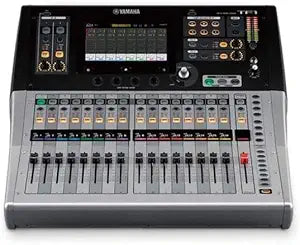
Yamaha TF1 16-Channel Digital Mixing Console
XLR
Unleash Your Creativity with the Yamaha TF1 Digital Mixing Console The Yamaha TF1 16-Channel Digital Mixing Console offers impressive capability and versatility for smaller systems. Compact, portable, and even rack mountable, the TF1 gives your intuition freer rein. Specifications: Faders: 1...
$2,331.24*
View on Amazon
✓ In Stock on Amazon.com
*Price sourced from Amazon.com. Last updated:Aug 27, 2026.Price and availability are subject to change — details.
Affiliate Disclosure: As an Amazon Associate, Studio Supplies earns from qualifying purchases made through links on this page, at no additional cost to you. This helps support our editorial team.
Notice a mistake? Let Us Know
Overview
Unleash Your Creativity with the Yamaha TF1 Digital Mixing Console
The Yamaha TF1 16-Channel Digital Mixing Console offers impressive capability and versatility for smaller systems. Compact, portable, and even rack mountable, the TF1 gives your intuition freer rein.
Specifications:
- Faders: 17 motor faders (16 channels + 1 master)
- Input Channels: 40 input mixing channels (32 mono + 2 stereo + 2 return)
- Aux Buses: 20 Aux buses (8 mono + 6 stereo) + Stereo + Sub
- DCA Groups: 8 DCA groups with Roll-out
- Inputs: 16 analog XLR/TRS combo mic/line inputs + 2 analog RCA pin stereo line inputs
Key Features
Compact, portable, and even rack mountable, the TF1 offers impressive capability and versatility for smaller systems. 17 motor faders (16 channels + 1 master)
17 motor faders (16 channels + 1 master)
40 input mixing channels (32 mono + 2 stereo + 2 return)
20 Aux buses (8 mono + 6 stereo) + Stereo + Sub, 8 DCA groups with Roll-out.
16 analog XLR/TRS combo mic/line inputs + 2 analog RCA pin stereo line inputs
Specifications
Faders
17 motor faders (16 channels + 1 master)
Input Mixing Channels
40 (32 mono + 2 stereo + 2 return)
Aux Buses
20 (8 mono + 6 stereo) + Stereo + Sub
DCA Groups
8 with Roll-out
Analog Mic/Line Inputs
16 (XLR/TRS combo)
Analog Stereo Line Inputs
2 (RCA pin)
Frequently Asked Questions
How many channels does the Yamaha TF1 digital mixing console offer?
The Yamaha TF1 provides 40 input mixing channels, consisting of 32 mono, 2 stereo, and 2 return channels, along with 17 motor faders for control.
Does this mixer include motor faders?
Yes, it features 17 motor faders, with 16 dedicated to channels and one for the master, allowing for automated and precise level control.
How many analog inputs are available on the TF1?
The TF1 comes with 16 analog XLR/TRS combo mic/line inputs and 2 analog RCA pin stereo line inputs, offering versatile connectivity for microphones and other devices.
What kind of bus routing capabilities does this console have?
It offers extensive routing with 20 Aux buses (8 mono + 6 stereo) plus Stereo and Sub outputs, providing flexibility for monitoring and effects.
Can I control multiple channels simultaneously with this mixer?
Yes, the console includes 8 DCA groups with Roll-out functionality, which allows for simplified control over multiple assigned channels from a single fader.
Related Products


