



Alienware
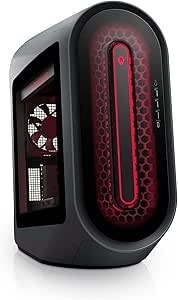
Alienware Aurora R14 Gaming PC Ryzen 7 RTX 3070
Ryzen 7 5800
The Aurora R14 pairs AMD Ryzen 7 5800's 8-core Zen 3 throughput with RTX 3070 ray-tracing performance in a VR-ready chassis that delivers without overclocking complexity.
$1,779.99*
Check availability
*Price sourced from Amazon.com. Last updated:Aug 28, 2026.Price and availability are subject to change — details.
Affiliate Disclosure: As an Amazon Associate, Studio Supplies earns from qualifying purchases made through links on this page, at no additional cost to you. This helps support our editorial team.
Notice a mistake? Let Us Know
Overview
Key Features
READY TO PLAY: The Alienware Aurora R14 gaming desktop is built with a powerful processor, incredible graphics, and large fan for an ultimate, uninterrupted gaming experience.
POWERFUL PROCESSOR: Whether your in the middle of intense gameplay or a creative pursuit you can rely on the AMD Ryzen 7 5800 processor for stunningly-fast performance.
VR READY: Create works of art, explore the world or become a part of intense gameplay with the Aurora R14 gaming desktop which is VR ready right out of the box.
OPTIMAL GAMING: The NVIDIA GeForce RTX 3070 delivers the stunning performance that gamers need, with 8 GB GDDR6 dedicated memory, your experience will never look smoother.
WINDOWS 11 HOME: Together, Windows 11 and Dell desktop pc's create a best-in-class experience for every user.
Specifications
Processor
AMD Ryzen 7 5800 (8-Core, up to 4.6GHz)
Graphics
NVIDIA GeForce RTX 3070 8GB GDDR6
Memory
16GB DDR4 XMP 3466MHz
Storage
512GB NVMe M.2 PCIe SSD + 1TB 7200RPM SATA HDD
Operating System
Windows 11 Home
Wireless
Wi-Fi 6 + Bluetooth
Cooling
Air Cooled
Color
Dark Side of the Moon
Frequently Asked Questions
How does the Ryzen 7 5800 perform across both gaming and content creation workloads?
The Ryzen 7 5800 is an 8-core, 16-thread Zen 3 processor boosting to 4.6GHz. In gaming, strong single-thread IPC keeps frame rates consistent in CPU-bound titles. For content creation — video editing, 3D rendering, streaming while gaming — the 8-core count handles parallel workloads without the thread-count bottlenecks that quad-core gaming CPUs hit.
Is 16GB DDR4 XMP sufficient, or should I plan to upgrade RAM?
16GB is workable for current gaming and general use, but 32GB is increasingly recommended for large open-world games and multi-application workflows. The Aurora R14's DDR4 slots support upgrades — if your workload involves simultaneous game, stream, and browser sessions, planning for a 32GB upgrade is a practical consideration.
What does the dual-storage configuration mean for day-to-day use?
The 512GB NVMe handles OS boot and your active game library with fast load times. The 1TB 7200RPM SATA HDD provides bulk storage for archived games, media, and documents at traditional HDD access speeds. Keep active titles on NVMe; archive everything else to the HDD.
How VR-ready is the RTX 3070 in practice?
The RTX 3070 8GB GDDR6 exceeds the recommended GPU specifications for all current major VR headsets — Meta Quest via Link, Valve Index, and PSVR2 via PC adapter. It delivers comfortable VR frame rates at high settings in current titles with headroom for demanding experiences.
Does the Aurora R14's proprietary chassis limit upgrade options compared to a standard ATX case?
Yes. The proprietary PSU form factor and motherboard layout restrict some upgrades. GPU upgrades are possible within case clearance and PSU wattage limits, but the proprietary motherboard constrains CPU upgrades to AM4-socket compatible processors. RAM and storage use standard upgradeable slots.
Related Products


