

AMD
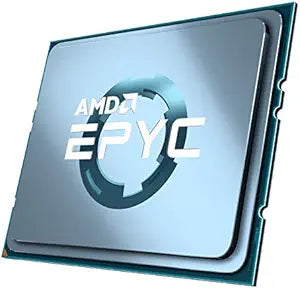
AMD EPYC 7702 2GHz Tetrahexaconta-core Server Processor
Elevate Your Data Center with Unrivaled PerformanceThe AMD EPYC 7702 Series Processor redefines expectations for the modern data center. With its tetrahexaconta-core architecture and advanced features, this server processor delivers exceptional performance, scalability, and security for cloud com...
$178.00*$1,788.99Save 90%
Check availability
*Price sourced from Amazon.com. Last updated:Oct 21, 2026.Price and availability are subject to change — details.
Affiliate Disclosure: As an Amazon Associate, Studio Supplies earns from qualifying purchases made through links on this page, at no additional cost to you. This helps support our editorial team.
Notice a mistake? Let Us Know
Overview
Elevate Your Data Center with Unrivaled Performance
The AMD EPYC 7702 Series Processor redefines expectations for the modern data center. With its tetrahexaconta-core architecture and advanced features, this server processor delivers exceptional performance, scalability, and security for cloud computing, big data analytics, and high-performance computing workloads.
Key Features
New Leader
New Rules
80 world records
Raise expectations for your data center
Cloud Computing Discover AMD EPYC processor-based instances from the world's largest cloud service providers Software Defined Infrastructure Discover how AMD EPYC Processors help customers
Specifications
Brand
AMD
Series
EPYC
Model
7702
Core Count
Tetrahexaconta-core (64 cores)
Base Clock Speed
2GHz
Processor Type
Server Processor
Frequently Asked Questions
How many cores does the AMD EPYC 7702 processor have?
The AMD EPYC 7702 processor features a Tetrahexaconta-core design, meaning it has 64 processing cores.
What is the primary application for the AMD EPYC 7702 processor?
This processor is specifically designed as a server processor, intended for use in server environments and data centers.
What is the base clock speed of the AMD EPYC 7702?
The AMD EPYC 7702 processor operates at a base clock speed of 2GHz.
Is this processor suitable for a standard gaming PC or home desktop?
No, the AMD EPYC 7702 is a high-end server processor with 64 cores, making it significantly over-specced and not cost-effective for typical gaming or home desktop use.
Does the product description provide information on the processor's cache size?
The provided product description does not include specific details regarding the cache size of the AMD EPYC 7702 processor.
Related Products


