



Apple
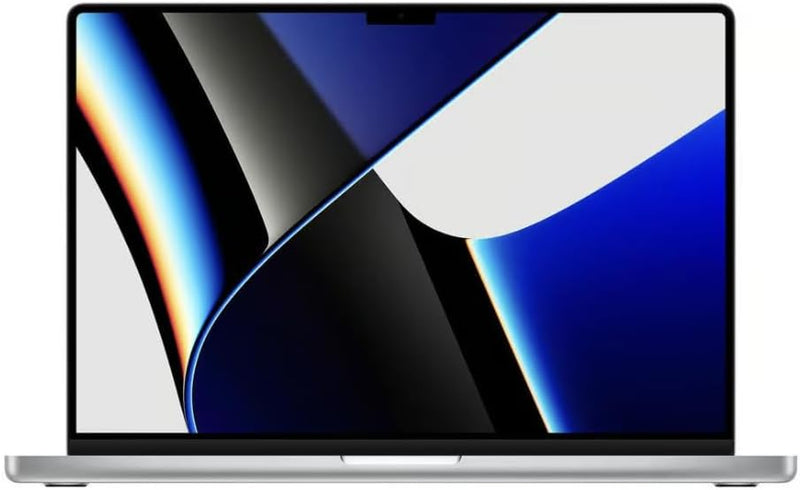
Apple M1 Max MacBook Pro 16" 32GB 1TB SSD Renewed
★★★★★
1080pApple M1 Max1TB SSD
The M1 Max delivers workstation-class GPU and CPU throughput in a fanless-quiet 16-inch chassis — renewed at a fraction of new pricing.
$1,259.00*
View on Amazon
✓ In Stock on Amazon.com
*Price sourced from Amazon.com. Last updated:Jun 27, 2026.Price and availability are subject to change.
Affiliate Disclosure: Studio Supplies may earn a commission from qualifying purchases made through links on this page, at no additional cost to you. This helps support our editorial team.
Notice a mistake? Let Us Know
Overview
Key Features
Apple M1 Max chip for a massive leap in CPU, GPU, and machine learning performance
10-core CPU delivers up to 3.7x faster performance to fly through pro workflows quicker than ever
16-core Neural Engine for up to 11x faster machine learning performance
32-core GPU with up to 13x faster performance for graphics-intensive apps and games
1080p FaceTime HD camera with advanced image signal processor for sharper video calls
Specifications
Chip
Apple M1 Max
CPU
10-core (8 performance + 2 efficiency)
GPU
32-core
Neural Engine
16-core
Memory
32GB unified LPDDR5
Storage
1TB SSD
Display
16-inch Liquid Retina XDR, 3456 x 2234
Camera
1080p FaceTime HD
Wireless
Wi-Fi 6 (802.11ax), Bluetooth
Operating System
macOS
Color
Silver
Condition
Renewed
Pros & Cons
👍 Pros
- 10-core CPU delivers sustained multi-threaded throughput without thermal throttling, even under extended compiles or renders.
- 32-core GPU with unified memory architecture eliminates the CPU-to-GPU bandwidth bottleneck that limits discrete-GPU laptops.
- 1TB NVMe SSD with Apple's proprietary controller sustains read/write speeds that outpace most PCIe 3.0 M.2 drives.
- 16-core Neural Engine accelerates on-device ML inference at up to 11x the rate of the prior generation, benefiting Final Cut, Logic, and Core ML workloads.
- Renewed pricing provides M1 Max performance at a significant discount versus current-generation equivalents.
👎 Cons
- 32GB unified memory is the ceiling — unlike a desktop workstation, RAM cannot be upgraded post-purchase, so large-scale ML training or 8K multi-stream editing may exhaust headroom.
- Renewed battery cycle count is not guaranteed below a specific threshold, meaning battery health could vary meaningfully between units.
- No cellular connectivity and no built-in SD card slot on the base configuration (requires dongle for SD workflow).
- macOS ecosystem locks out Windows-native software without virtualization overhead, a real friction point for certain enterprise or CAD workflows.
Frequently Asked Questions
What does the 32-core GPU actually mean for creative workloads?
It means ProRes video transcode, 3D renders, and GPU-accelerated effects run at speeds that rival discrete desktop cards. On this chip, the GPU shares a unified memory pool with the CPU — no PCIe bandwidth bottleneck — so large textures and frame buffers transfer at memory bus speeds rather than over a slow interconnect.
Is 32GB of unified memory enough for heavy video editing or machine learning tasks?
For most professional workflows, yes. Unified memory means those 32GB are shared efficiently across CPU, GPU, and Neural Engine with no duplication overhead. Where you'll hit the ceiling is in 3D scenes with massive texture sets or ML training jobs that need >24GB of GPU-addressable VRAM simultaneously.
What does "renewed" mean for this MacBook Pro, and what condition should I expect?
Amazon Renewed units are inspected, tested, and cleaned by qualified suppliers — the machine must function like new and cosmetic defects are graded. Expect Grade A/B cosmetics: possible light scratching on the chassis, but the display and internals are verified functional. Battery cycle count varies but typically falls under 200 cycles on reputable renewed listings.
Does this MacBook Pro support external displays, and how many?
Yes. The M1 Max supports up to three external displays simultaneously via its Thunderbolt 4/USB-C ports plus HDMI — a capability the base M1 Pro chip cannot match. This is one of the hardware differentiators of the Max die.
Will this run current macOS versions and receive future software updates?
Yes. As an Apple Silicon machine from 2021, this MacBook Pro is fully supported on current macOS releases and will receive updates for years ahead — Apple Silicon Macs have a longer supported lifespan than Intel predecessors.
Related Products


