

Apple
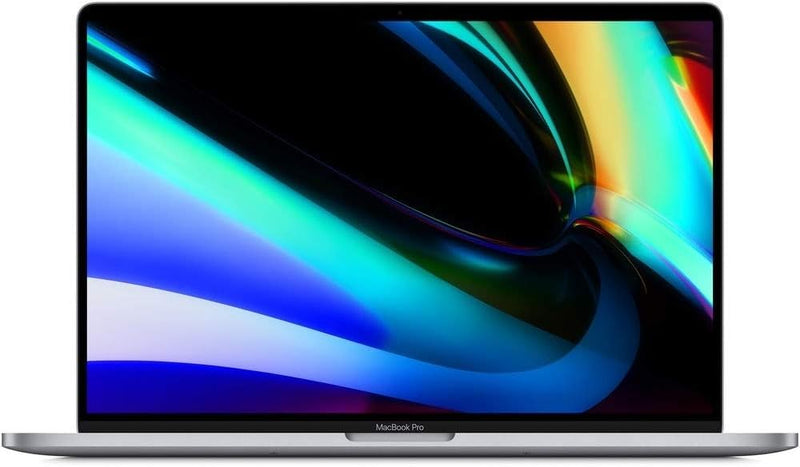
Apple Mvvj2ll/a MacBook Pro 16" i7 512GB SSD Renewed
★★★★★
3072 x 1920512GB SSD
The Late 2019 MacBook Pro 16-inch delivers a 6-core i7, 32GB DDR4, AMD Radeon Pro 5300M, and a class-defining 3072x1920 Retina display in a renewed chassis.
$548.90*
View on Amazon
✓ In Stock on Amazon.com
*Price sourced from Amazon.com. Last updated:Jun 28, 2026.Price and availability are subject to change.
Affiliate Disclosure: Studio Supplies may earn a commission from qualifying purchases made through links on this page, at no additional cost to you. This helps support our editorial team.
Notice a mistake? Let Us Know
Overview
Key Features
2.6 GHz Intel Core i7 6-Core (9th Gen)
32GB of 2666 MHz DDR4 RAM | 512GB SSD
16" 3072 x 1920 Retina Display
AMD Radeon Pro 5300M GPU (4GB GDDR6)
Touch Bar | Touch ID Sensor
Specifications
Processor
2.6 GHz Intel Core i7-9750H (6-core, 9th Gen)
RAM
32GB 2666 MHz DDR4
Storage
512GB SSD (NVMe)
Display
16-inch 3072x1920 Retina IPS
GPU
AMD Radeon Pro 5300M (4GB GDDR6)
Operating System
macOS Big Sur (upgradeable to Sonoma)
Touch Features
Touch Bar, Touch ID
Architecture
Intel x86_64
Condition
Renewed
Pros & Cons
👍 Pros
- 32GB of 2666 MHz DDR4 RAM handles demanding multi-application creative workflows without memory pressure in a 2019-era machine.
- AMD Radeon Pro 5300M with 4GB GDDR6 provides genuine discrete GPU acceleration for Final Cut Pro, Premiere Pro, and Metal-based workflows.
- 16-inch 3072x1920 Retina display delivers exceptional pixel density and color accuracy for photo editing, video grading, and design work.
- 512GB NVMe SSD provides fast sequential read/write performance for rapid app launches and project file access throughout the workday.
- Touch Bar and Touch ID offer context-sensitive function key shortcuts and biometric authentication in a refined, integrated implementation.
👎 Cons
- Intel i7-9750H thermal throttles under sustained all-core load — prolonged rendering or compilation tasks see clock speeds drop significantly below boost frequency.
- 512GB SSD capacity fills quickly for video professionals; large project libraries and sample collections require external storage planning.
- Battery life on a renewed unit may be significantly below Apple's rated hours — battery condition is a critical variable to verify before purchase.
- Intel architecture means this machine predates and cannot run Apple Silicon optimized software binaries, resulting in lower performance in Apple-native apps versus M-series equivalents.
- AMD Radeon Pro 5300M has 4GB VRAM — GPU-accelerated 3D rendering at high resolution or with complex shaders will hit the VRAM ceiling faster than 8GB alternatives.
Frequently Asked Questions
What does "renewed" mean for this MacBook Pro, and what macOS version will it run?
Renewed indicates the unit has been professionally inspected, tested, and certified for functionality — battery health, display quality, keyboard, ports, and performance have all been evaluated. The listing ships with macOS Big Sur, but this model (Late 2019 16-inch) supports macOS Ventura (13) and Sonoma (14) — upgrade is available through Software Update after purchase.
What is the sustained performance of the i7-9750H in this MacBook Pro under thermal load?
The Intel Core i7-9750H (6-core, base 2.6 GHz, boost to 4.5 GHz) throttles under sustained all-core load in the 16-inch chassis. Apple's thermal management will reduce clock speeds to maintain a thermal ceiling — typically settling around 3.0–3.5 GHz all-core sustained during prolonged rendering or compilation tasks. Single-core burst performance is strong; sustained throughput is the constraint.
How capable is the AMD Radeon Pro 5300M for creative and gaming workloads?
The Radeon Pro 5300M with 4GB GDDR6 handles GPU-accelerated workflows in Final Cut Pro, Premiere Pro, and Lightroom effectively. For 3D rendering (Blender, Cinema 4D), it provides meaningful acceleration over integrated graphics. Gaming performance is limited — AAA titles at medium settings, 1080p, are achievable but it's not a gaming-first GPU. Metal API support is fully implemented on macOS.
Is 512GB SSD sufficient for professional creative work on this machine?
For most users, yes — the NVMe SSD in the Late 2019 MacBook Pro delivers fast sequential read/write speeds that keep app launches and file operations snappy. 512GB fills quickly for video professionals with large project libraries; external SSDs via Thunderbolt 3 provide a fast expansion path. Plan accordingly if your workflow involves large video project files or extensive sample libraries.
Does this MacBook Pro support Apple Silicon software natively?
No. As an Intel-based Mac, it runs x86_64 software natively. Apple Silicon apps (ARM) do not run directly on this machine, and Rosetta 2 is not available on Intel Macs — that translation layer is for the reverse direction (Intel apps on Apple Silicon). Most professional software for macOS has maintained Intel builds, so compatibility is not a practical concern.
Related Products


