



Behringer
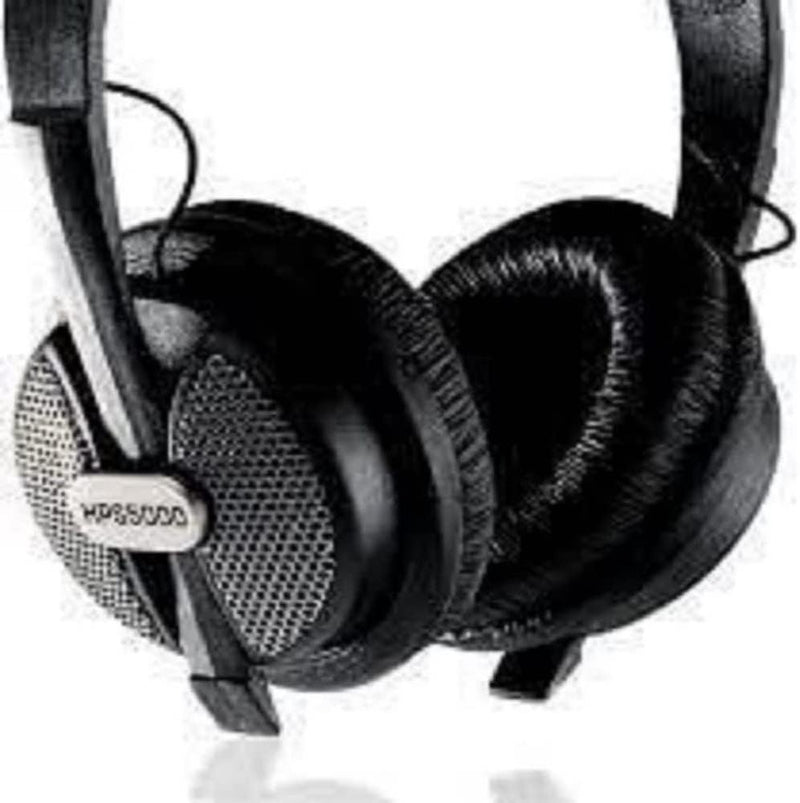
Behringer HPS5000 Studio Headphones: Closed-Back, High Performance
Cobalt-capsule closed-back monitoring that delivers ultra-wide dynamic range without the studio-grade price tag.
$11.90*
Check availability
*Price sourced from Amazon.com. Last updated:Oct 21, 2026.Price and availability are subject to change — details.
Affiliate Disclosure: As an Amazon Associate, Studio Supplies earns from qualifying purchases made through links on this page, at no additional cost to you. This helps support our editorial team.
Notice a mistake? Let Us Know
Overview
Key Features
Closed-back Headphones
Cobalt Capsule
Ultra-Wide dynamic range
High-Efficiency cobalt capsule
Specifications
Type
Closed-Back, Over-Ear
Driver/Capsule
High-Efficiency Cobalt Capsule
Dynamic Range
Ultra-Wide
Connector
3.5mm (1/8") Jack
Cable Type
Tangle-Free
Ear Placement
Over-Ear
Brand
Behringer
Model
HPS5000
Frequently Asked Questions
What driver technology does the HPS5000 use, and why does it matter for monitoring?
The HPS5000 uses a high-efficiency cobalt capsule rather than a standard ferrite magnet. Cobalt provides a stronger magnetic field in a lighter assembly, which translates to faster transient response and a wider dynamic range — meaning quiet details and loud peaks are reproduced more accurately across the frequency spectrum.
Is the closed-back design suitable for tracking sessions where bleed into a microphone is a concern?
Yes. The closed-back ear cups create passive isolation, preventing headphone bleed from leaking into an open mic during live tracking or overdub sessions. This makes the HPS5000 more appropriate for recording scenarios than open-back alternatives.
What connector does the HPS5000 use, and will it work with standard audio interfaces?
The cable terminates in a 3.5mm (1/8") jack, which connects directly to any standard headphone output. For professional interfaces with a 1/4" output, a standard 3.5mm-to-6.35mm adapter is required — one is typically included or inexpensive to source separately.
How does the tangle-free cable affect day-to-day studio workflow?
The tangle-free cable reduces the friction of coiling and uncoiling the headphones between sessions. In a busy studio environment this is a minor but real quality-of-life improvement — you spend less time managing the cable and more time on the work.
Are the HPS5000 suitable for mixing as well as tracking?
They can be used for rough mixing checks, but their closed-back design and consumer-adjacent price point mean they are optimized for tracking and monitoring rather than critical mix decisions. Engineers doing final mix work typically prefer open-back or flat-response reference headphones.
Related Products


