

Clear-Com
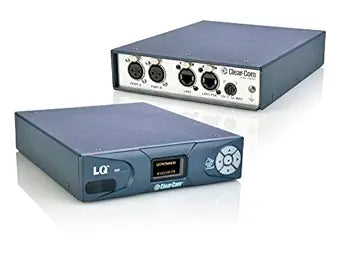
Clear-Com CLCM-LQ-2W2 2-Channel Partyline IP Interface
Bridge two partyline intercom channels over any IP network — LAN, WAN, or public Internet — with sub-millisecond OPUS codec latency.
$2,985.00*
View on Amazon
✓ In Stock on Amazon.com
*Price sourced from Amazon.com. Last updated:Aug 28, 2026.Price and availability are subject to change — details.
Affiliate Disclosure: As an Amazon Associate, Studio Supplies earns from qualifying purchases made through links on this page, at no additional cost to you. This helps support our editorial team.
Notice a mistake? Let Us Know
Overview
Key Features
The LQ devices use the low-latency OPUS codec. The OPUS adjustable audio codec meets various data rate, bandwidth and quality requirements.
CCM is a free browser-based software tool with intuitive menus for quick setup and configuration editing that supports the latest versions of all major browsers on MAC, PC and tablet platforms. LQ devices can be added and removed from the system by editing the configurations via the CCM software.
Transport audio and call signaling over LAN, WAN and Internet networks
Up to 6 units can link together (both 4-wire and partyline)
Power-over-Ethernet (PoE)
Specifications
Model
CLCM-LQ-2W2
Type
2-Channel Partyline IP Communications Interface
Form Factor
1/2 rack unit
Compatibility
Clear-Com and RTS partyline systems
Audio Ports
2 x 3-pin XLR-F
Network Ports
2 x Neutrik etherCON RJ45
Codec
OPUS (low-latency, adjustable)
Network Support
LAN, WAN, Internet
Power
Power-over-Ethernet (PoE)
Max Linked Units
6 (4-wire and partyline)
Configuration
CCM browser-based software (free, no install required)
Frequently Asked Questions
What intercom systems is the LQ-2W2 compatible with?
It is compatible with both Clear-Com and RTS partyline intercom systems. This cross-compatibility is significant for facilities or touring productions that run mixed infrastructure or need to integrate with a venue's existing system.
How is the LQ-2W2 powered, and does it require a separate power supply?
The unit runs on Power-over-Ethernet (PoE), so it draws power directly from a PoE-capable switch or injector through the same Ethernet cable that carries audio data. No separate power supply or AC outlet is needed at the installation point.
How many LQ units can be linked together in a single system?
Up to 6 LQ units can be linked in a single system, covering both 4-wire and partyline connections. This means a single deployment can bridge up to 12 partyline channels total using multiple LQ-2W2 units at the 6-unit maximum.
What codec does the LQ-2W2 use, and what does that mean for audio quality over unreliable networks?
It uses the OPUS codec, which is specifically designed for low-latency audio transmission and adjusts dynamically to available bandwidth. On congested or variable networks, OPUS degrades gracefully — prioritizing intelligibility — rather than dropping out abruptly.
How is the LQ-2W2 configured, and does it require proprietary software?
Configuration is handled through CCM (Configuration Connection Manager), a free browser-based tool that runs on Mac, PC, and tablets. No proprietary software installation is required — devices are added or removed from the system by editing configurations through the browser interface.
Related Products


