



Crucial
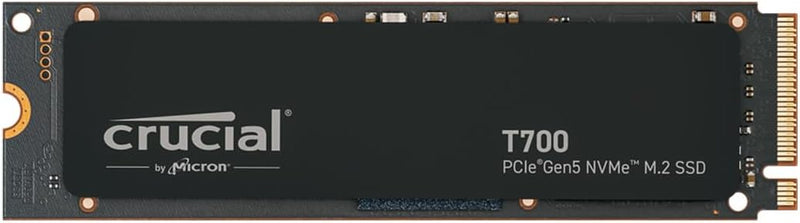
Crucial CT2000T700SSD3 2TB Gen5 NVMe SSD High-Speed
8K
Crucial's T700 2TB Gen5 NVMe SSD delivers up to 12,400MB/s reads for the fastest consumer storage available today.
$537.00*
View on Amazon
✓ In Stock on Amazon.com
*Price sourced from Amazon.com. Last updated:Aug 29, 2026.Price and availability are subject to change — details.
Affiliate Disclosure: As an Amazon Associate, Studio Supplies earns from qualifying purchases made through links on this page, at no additional cost to you. This helps support our editorial team.
Notice a mistake? Let Us Know
Overview
Key Features
PCIe 5.0 Performance: Delivers up to 12,400MB/s read and 11,800MB/s write speeds for quicker game load times, bootups, and smooth multitasking
Spacious 2TB Capacity: Store AAA titles, 8K+ video, and creative assets with blazing-fast Gen5 NVMe throughput
Platform-Optimized Compatibility: Designed for Intel 13th/14th Gen and AMD Ryzen 7000 in M.2 Gen5 slots
Heatsink-Compatible Design: Install with a compatible heatsink for optimal performance in sustained gaming sessions and demanding workloads
Trusted Micron Quality: Engineered for tech enthusiasts and hardcore gamers with Micron TLC NAND and a 5-year warranty
Acronis True Image and Adobe Software Bundle Included: Comes with Acronis cloning software for easy data recovery and transfers, plus a one-month Adobe Creative Cloud All-Apps subscription for creative photo, video, 3D projects and more
Specifications
Capacity
2TB
Form Factor
M.2 2280
Interface
NVMe PCIe Gen5
Sequential Read
Up to 12,400 MB/s
Sequential Write
Up to 11,800 MB/s
Random Read
Up to 1,500K IOPS
Random Write
Up to 1,500K IOPS
NAND
Micron 232-layer TLC NAND
DirectStorage
Supported
Backward Compatibility
Gen3 and Gen4 motherboards
Platform Compatibility
Intel 13th/14th Gen, AMD Ryzen 7000
Warranty
5-year limited
Similar Products
Other products from the same family that visitors often consider:
 Currently Unavailable
Crucial CT2000T705SSD5A 2TB Gen5 NVMe SSD White
Check on Amazon → ✓ Available
Crucial CT2000T700SSD5 T700 2TB Gen5 NVMe SSD Heatsink
$344.95
View on Amazon → ✓ Available
Crucial CT2000T705SSD5 T705 2TB PCIe Gen5 NVMe SSD
View on Amazon → ✓ Available
Crucial CT2000T705SSD3 2TB PCIe Gen5 NVMe SSD Adobe CC
$400.47
View on Amazon → ✓ Available
Crucial CT2000P310SSD801 2TB Gen4 NVMe M.2 SSD
$289.99
View on Amazon →Frequently Asked Questions
Does the Crucial T700 require a heatsink to maintain full performance?
Crucial recommends using a compatible heatsink for sustained workloads. Without one, the drive may thermally throttle under prolonged heavy use, though brief tasks will still hit peak speeds.
Is the Crucial T700 backward compatible with older motherboards?
Yes, it is backward compatible with PCIe Gen3 and Gen4 M.2 slots, though speeds will be limited to the bandwidth of the older interface.
Which platforms support the T700 at full Gen5 speed?
You need a motherboard with a PCIe 5.0 M.2 slot, such as those based on Intel 13th/14th Gen or AMD Ryzen 7000 series chipsets.
What software is included with the Crucial T700?
It comes with Acronis True Image for drive cloning and data recovery, plus a one-month Adobe Creative Cloud All-Apps subscription.
What is the endurance rating for the 2TB T700?
Crucial backs this drive with a 5-year warranty and Micron 232-layer TLC NAND, designed for sustained enthusiast and professional workloads.
Related Products


