



Crucial
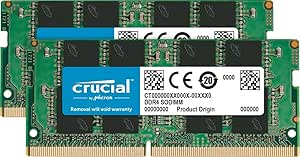
Crucial CT2K8G4SFD8213 16GB DDR4 2133MHz SODIMM Kit
16GB DDR4
Dual-channel DDR4-2133 SODIMM kit doubles your notebook's memory bandwidth while cutting power draw by up to 40% versus DDR3.
$139.70*
View on Amazon
✓ In Stock on Amazon.com
*Price sourced from Amazon.com. Last updated:Oct 21, 2026.Price and availability are subject to change — details.
Affiliate Disclosure: As an Amazon Associate, Studio Supplies earns from qualifying purchases made through links on this page, at no additional cost to you. This helps support our editorial team.
Notice a mistake? Let Us Know
Overview
Key Features
Speeds start at 2133 MT/s
Increase bandwidth by up to 30%
Reduce power consumption by up to 40% and extend battery life
optimized for next generation processors and platforms..x8GB Based Dual Ranked Unbuffered Laptop/Notebook Memory
Form factor:SODIMM
Specifications
Capacity
16GB Kit (2 × 8GB)
Memory Type
DDR4 SODIMM
Speed
2133 MT/s (PC4-17000)
Latency
CL15
Voltage
1.2V
Pin Count
260-pin
Module Type
Unbuffered (Unregistered)
Module Configuration
x8, Dual Ranked
Form Factor
SODIMM (laptop/notebook)
Warranty
Limited Lifetime
Similar Products
Other products from the same family that visitors often consider:
 ✓ Available
Crucial CT2K8G4SFS8266 16GB DDR4 SODIMM Memory Kit
$108.77
View on Amazon → ✓ Available
Crucial CT2K8G4SFS8266 16GB DDR4 SODIMM Memory Upgrade
$139.99
View on Amazon → ✓ Available
Crucial CT16G4SFD8266 16GB DDR4 2666 SODIMM Memory
$104.00
View on Amazon → ✓ Available
Crucial CT2K4G4SFS8213 8GB DDR4 2133MHz SODIMM Memory Kit
$81.79
View on Amazon →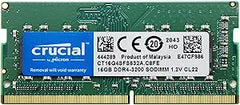 ✓ Available
Crucial CT16G4SFS832A 16GB DDR4 3200 MHz SODIMM
$134.99
View on Amazon →Frequently Asked Questions
Will this kit work in my laptop — how do I verify compatibility before purchasing?
The CT2K8G4SFD8213 is a 260-pin DDR4 SODIMM kit operating at 2133 MT/s (PC4-17000). It is compatible with laptops and notebooks that support DDR4 SO-DIMM in their memory slots. Use Crucial's System Scanner tool or check your laptop's service manual to confirm DDR4 SODIMM support, available slot count, and maximum supported capacity. Do not install DDR4 in a DDR3 system — the notch positions are physically different and incompatible.
What performance improvement should I expect after installing this 16GB kit compared to 8GB single-channel?
The gains come from two directions. First, doubling capacity from 8GB to 16GB eliminates the paging/swapping that throttles performance when RAM fills up — multitasking with multiple browser tabs, productivity apps, and background processes becomes materially smoother. Second, running two matched 8GB modules in dual-channel mode doubles the memory bus effective bandwidth versus a single stick, which measurably reduces latency in memory-bound operations. Crucial quantifies this as up to 30% bandwidth increase.
Is 2133 MT/s (PC4-17000) the maximum this kit will run, or will it clock higher if the platform supports XMP/higher JEDEC profiles?
This kit is rated and certified at 2133 MT/s — it does not include XMP profiles for higher clock speeds. If your system's memory controller supports faster DDR4 speeds (e.g., 2400 or 2666 MT/s), the modules will default to 2133 MT/s per JEDEC specification. For users who need higher-frequency RAM, Crucial and other manufacturers offer kits rated at 2400, 2666, and beyond for compatible platforms.
What does CL15 latency mean, and does it matter at 2133 MT/s?
CL15 (CAS Latency 15) means the module waits 15 clock cycles before responding to a read command. At 2133 MT/s, one clock cycle is approximately 0.94 ns, putting the absolute latency at roughly 14 ns — a standard figure for DDR4-2133. For everyday productivity and multitasking workloads, this latency is not a practical bottleneck. It only becomes relevant in latency-sensitive workloads like competitive gaming or certain scientific simulations, where tighter-latency kits at the same speed can show measurable advantages.
Is this kit safe to install without voiding a laptop warranty?
RAM is user-replaceable in most laptops and is explicitly listed as a customer-installable part by most major OEMs (Dell, Lenovo, HP). However, some ultra-thin laptops solder RAM directly — verify your specific model has accessible SODIMM slots before purchasing. Crucial offers a limited lifetime warranty on this kit, covering defects in materials and workmanship.
Related Products


