

Dell
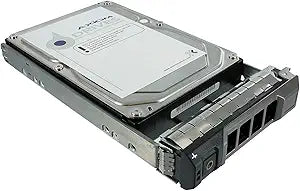
Dell 400-ALRT 4TB 3.5" Internal Hard Drive
High-Capacity Storage Solution for Enterprise Applications The Dell 4 TB Internal Hard Drive provides a robust and reliable storage solution for enterprise environments, offering ample space for critical data and demanding applications. Capacity: 4TB Form Factor: 3.5" Speed: 7.2...
$115.00*
View on Amazon
✓ In Stock on Amazon.com
*Price sourced from Amazon.com. Last updated:Oct 23, 2026.Price and availability are subject to change — details.
Affiliate Disclosure: As an Amazon Associate, Studio Supplies earns from qualifying purchases made through links on this page, at no additional cost to you. This helps support our editorial team.
Notice a mistake? Let Us Know
Overview
High-Capacity Storage Solution for Enterprise Applications
The Dell 4 TB Internal Hard Drive provides a robust and reliable storage solution for enterprise environments, offering ample space for critical data and demanding applications.
- Capacity: 4TB
- Form Factor: 3.5"
- Speed: 7.2K RPM
- Interface: NLSAS 12Gb
- Sector Size: 512n
Specifications
Capacity
4TB
Form Factor
3.5"
Type
Internal Hard Drive
Similar Products
Other products from the same family that visitors often consider:
 ✓ Available
Dell 400-ALNY 4TB 3.5" SAS Internal Hard Drive
$179.00
View on Amazon → ✓ Available
Dell 400-AEGK 4TB SATA Internal Hard Drive (Renewed)
View on Amazon → ✓ Available
Dell 400-AEGK 4TB 3.5" Internal Hard Drive - 7.2K SATA
View on Amazon → ✓ Available
Dell ST4000NM0033 4TB Enterprise SATA Hard Drive
$165.00
View on Amazon → ✓ Available
Dell Constellation Es.3 4TB 7.2K SAS Hard Drive
$110.00
View on Amazon →Frequently Asked Questions
What is the storage capacity of the Dell 400-ALRT hard drive?
The Dell 400-ALRT internal hard drive offers a substantial storage capacity of 4TB, suitable for storing large amounts of data.
What is the physical size of this hard drive?
This is a 3.5-inch internal hard drive, which is a common size for desktop computers and many server enclosures.
Is this hard drive designed for desktop computers or laptops?
Due to its 3.5-inch form factor, this Dell hard drive is primarily designed for use in desktop computers or compatible server systems, not laptops.
Can this hard drive be used as a primary boot drive?
While it can technically be used as a primary boot drive, for optimal system performance and faster boot times, an SSD is typically recommended over a traditional hard drive.
What kind of data is this 4TB hard drive best suited for?
This 4TB hard drive is ideally suited for bulk data storage, such as large media libraries, extensive document archives, and system backups where high capacity is prioritized.
Related Products


