

Dell
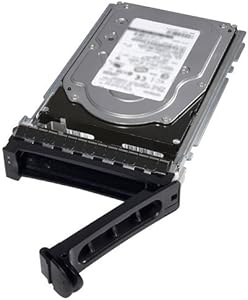
Dell 400-AMTK 2TB 7.2K SAS 12Gbps HDD
Enterprise-Class Storage: Dell 2TB 7.2K NL SAS Hard Drive The Dell 2TB 7.2K NL SAS hard drive delivers reliable, high-capacity storage for enterprise environments. With a 12Gbps SAS interface, this drive ensures fast data transfer rates and dependable performance for critical applications. Spec...
$99.99*
Check availability
*Price sourced from Amazon.com. Last updated:Oct 25, 2026.Price and availability are subject to change — details.
Affiliate Disclosure: As an Amazon Associate, Studio Supplies earns from qualifying purchases made through links on this page, at no additional cost to you. This helps support our editorial team.
Notice a mistake? Let Us Know
Overview
Enterprise-Class Storage: Dell 2TB 7.2K NL SAS Hard Drive
The Dell 2TB 7.2K NL SAS hard drive delivers reliable, high-capacity storage for enterprise environments. With a 12Gbps SAS interface, this drive ensures fast data transfer rates and dependable performance for critical applications.
Specifications:
- Brand: Dell
- Model: 400-AMTK
- Capacity: 2TB
- Speed: 7.2K RPM
- Interface: NL SAS 12Gbps
- Form Factor: 3.5 inch
Key Features
Dell 2 Tb 2.5 Internal Hybrid Hard Drive - Near Line Sas (nl-sas) - 7200rpm
Specifications
Capacity
2 TB
Form Factor
2.5 Inch Internal
Interface
SAS 12Gbps
Drive Type
Near Line SAS (NL-SAS) Hybrid Hard Drive
Rotational Speed
7200rpm
Frequently Asked Questions
What is the storage capacity of this Dell hard drive?
This Dell 400-AMTK hard drive offers a storage capacity of 2TB, suitable for various data storage requirements.
What type of interface does this hard drive use?
It utilizes a SAS 12Gbps interface, providing high-speed connectivity for server environments.
Is this a traditional hard drive or a hybrid model?
This is specified as a Near Line SAS (NL-SAS) internal hybrid hard drive.
What is the rotational speed of this drive?
The drive operates at a rotational speed of 7200rpm, contributing to its performance characteristics.
What form factor is this internal hard drive?
This hard drive is designed as a 2.5-inch internal drive, fitting into compatible server bays.
Related Products


