

Dell
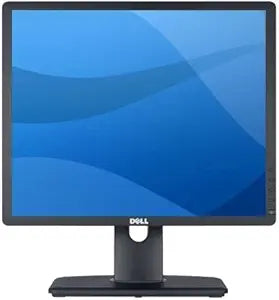
Dell P1913S 19-Inch LED-lit Monitor - Professional Series
1280 x 1024
Essential Clarity and Comfort for Daily Productivity The Dell Professional P1913S monitor delivers a clear and comfortable viewing experience for everyday tasks. Featuring a 19-inch LED-lit screen with a standard aspect ratio, this monitor offers full adjustability, including tilt, swivel, pivot...
View price on Amazon
Affiliate Disclosure: As an Amazon Associate, Studio Supplies earns from qualifying purchases made through links on this page, at no additional cost to you. This helps support our editorial team.
Notice a mistake? Let Us Know
Overview
Essential Clarity and Comfort for Daily Productivity
The Dell Professional P1913S monitor delivers a clear and comfortable viewing experience for everyday tasks. Featuring a 19-inch LED-lit screen with a standard aspect ratio, this monitor offers full adjustability, including tilt, swivel, pivot, and height adjustment. With Enhanced Menu Rotation software and optional wall mounting, it provides versatile setup options for any workspace.
Specifications:
- Screen Size: 19.0 inches
- Panel Type: LED-lit
- Adjustability: Tilt, Swivel, Pivot, Height Adjustment (130mm)
- Software: Enhanced Menu Rotation
- Mounting: VESA Mount Compatible
Key Features
LED
1280 x 1024
19 Inches (19-inch wide viewable image size)
Specifications
Backlight Technology
LED
Resolution
1280 x 1024
Screen Size
19 Inches
Viewable Image Size
19-inch wide
Series
Professional Series
Frequently Asked Questions
What is the display technology used in the Dell P1913S monitor?
The Dell P1913S monitor utilizes LED backlighting technology, contributing to its energy efficiency and a sleek profile.
What is the native resolution of this 19-inch Dell monitor?
This monitor has a native resolution of 1280 x 1024, providing a clear and standard display for productivity tasks.
What is the actual viewable screen size of the P1913S?
The Dell P1913S offers a 19-inch wide viewable image size, which is a common dimension for compact office monitors.
Is this monitor suitable for professional use?
Yes, this monitor is part of Dell's Professional Series, indicating it is designed with features and reliability suitable for business and office environments.
Does the monitor have a widescreen aspect ratio?
No, with its 1280 x 1024 resolution, the Dell P1913S features a 5:4 aspect ratio, which is a traditional display format rather than widescreen.
Related Products


