



Dell
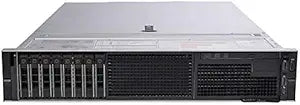
Dell PowerEdge R740 384GB RAM 8X 400GB SSD (Renewed)
Eight 400GB SSDs behind the H730P cache-backed RAID controller give this renewed R740 the low-latency storage throughput that spinning-disk server configurations fundamentally cannot deliver.
View price on Amazon
Affiliate Disclosure: As an Amazon Associate, Studio Supplies earns from qualifying purchases made through links on this page, at no additional cost to you. This helps support our editorial team.
Notice a mistake? Let Us Know
Overview
Unleash Efficiency with the Dell PowerEdge R740 Server
The Dell PowerEdge R740 server delivers exceptional performance and scalability for demanding applications. Configured with high-performance components and reliable storage, this server is perfect for businesses needing a robust solution for virtualization, databases, or high-traffic websites.
Specifications:
- Brand: Dell
- Model: PowerEdge R740
- Form Factor: 8 x 2.5 Hot Plug
- Processor: Silver 4110 Eight Core 2.1Ghz
- Memory: 384GB RAM
- Storage: 8X 400GB SSD
- Raid Controller: H730P
- Condition: Renewed
Frequently Asked Questions
What processor is in the R740 384GB configuration and what workloads is it optimized for?
The Intel Xeon Silver 4110 is a Skylake-SP 8-core processor running at 2.1GHz base with Turbo to 3.0GHz. The Skylake-SP architecture adds AVX-512 support over the prior Broadwell-EP generation, which benefits scientific computing, compression workloads, and certain database operations that can leverage 512-bit vector instructions.
What throughput does the 8x 400GB SSD array deliver under the H730P controller?
The H730P controller includes a 2GB DRAM write cache with battery backup, which absorbs burst write I/O and smooths latency spikes. In a RAID 10 configuration across 8 SSDs, expect aggregate sequential read throughput in the 2–4GB/s range and significantly better random IOPS than any 7.2K or 10K spinning-disk alternative. The actual ceiling depends on the SSD interface (SAS vs SATA) and whether the drives are enterprise-grade.
How does 384GB of RAM in this R740 compare to the minimum for large-scale virtualization?
384GB is sufficient for medium-to-large VMware or Hyper-V clusters hosting 20–40 VMs with 8–16GB allocations each. It is below the 768GB+ range needed for large in-memory database deployments, but the R740 platform supports up to 3TB RAM across 24 DIMM slots, leaving substantial upgrade headroom if workloads scale.
What is the difference between the H730P in this unit versus the H330 in lower-spec R730/R740 configurations?
The H730P includes a 2GB NVRAM write cache backed by a supercapacitor or battery unit, which the H330 lacks entirely. This cache absorbs write bursts and prevents data loss on unclean shutdown. For database and virtualization workloads, the H730P delivers materially better sustained write performance and data integrity guarantees than the entry-tier H330.
What does "Renewed" mean for this server and what should I verify before purchasing?
Renewed indicates third-party refurbishment and testing — not a Dell factory recertification. The warranty terms, testing depth, and component replacement practices vary by reseller. Verify remaining SSD drive health (percentage of rated write endurance consumed), iDRAC access for hardware health logs, and the specific warranty coverage before deployment in production.
Related Products


