

Dell
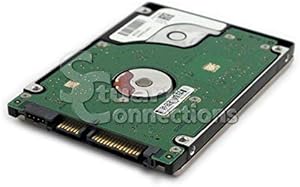
Dell RK533 160GB 7200RPM SATA 2.5" Hard Drive
Reliable Data Storage with Dell RK533 Hard Drive The Dell RK533 hard drive offers dependable data storage for various computing needs. With a capacity of 160GB and a speed of 7200RPM, this SATA drive delivers a balance of storage capacity and data access speed. Ideal for desktops and laptops, it ...
View on Amazon for pricing
Affiliate Disclosure: As an Amazon Associate, Studio Supplies earns from qualifying purchases made through links on this page, at no additional cost to you. This helps support our editorial team.
Notice a mistake? Let Us Know
Overview
Reliable Data Storage with Dell RK533 Hard Drive
The Dell RK533 hard drive offers dependable data storage for various computing needs. With a capacity of 160GB and a speed of 7200RPM, this SATA drive delivers a balance of storage capacity and data access speed. Ideal for desktops and laptops, it ensures efficient performance for everyday tasks and applications.
Specifications:
- Capacity: 160GB
- Speed: 7200RPM
- Interface: SATA
- Form Factor: 2.5"
Specifications
Brand
Dell
Model
RK533
Storage Capacity
160GB
Rotational Speed
7200RPM
Interface
SATA
Form Factor
2.5"
Type
Hard Drive
Similar Products
Other products from the same family that visitors often consider:
 ✓ Available
Dell G996R 160GB SATA-II 7200RPM Hard Drive (Renewed)
View on Amazon → Currently Unavailable
Dell 341-7005 1TB 7200RPM SATA Hard Drive
Check on Amazon → Currently Unavailable
Dell 341-9252 500GB 7200RPM SATA Hard Drive
Check on Amazon → ✓ Available
Dell G998R 250GB 7200RPM SATA Hard Drive (Renewed)
$51.00
View on Amazon → ✓ Available
Dell YY34F 2TB 7200RPM SAS Hard Drive with Tray
$45.00
View on Amazon →Frequently Asked Questions
What is the storage capacity of this Dell hard drive?
This Dell RK533 hard drive offers a storage capacity of 160GB, suitable for various computing needs.
What is the rotational speed of this hard drive?
The hard drive operates at a speed of 7200RPM, which helps in achieving faster data access and transfer rates.
What interface does this hard drive use for connection?
This Dell hard drive utilizes a SATA interface, providing broad compatibility with modern computer systems.
What is the physical size or form factor of this hard drive?
It is a 2.5" form factor hard drive, making it compatible with laptops, compact desktops, and server drive bays designed for this size.
Is this hard drive a solid-state drive (SSD)?
No, this is a traditional hard disk drive (HDD), indicated by its 7200RPM rotational speed.
Related Products


