



DJI
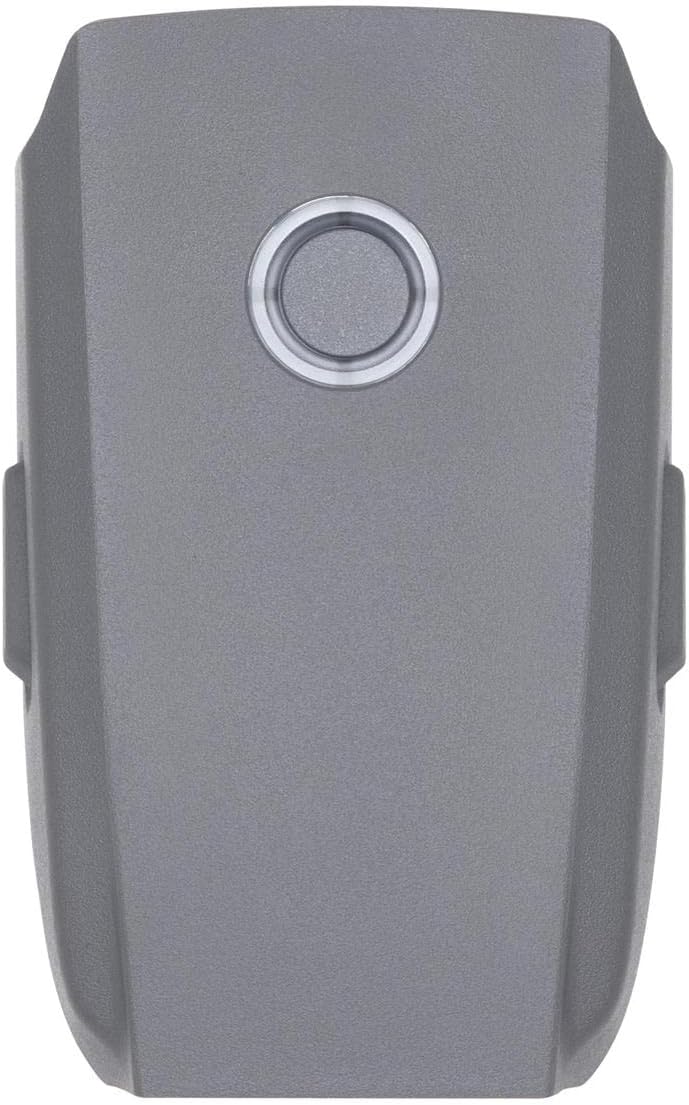
DJI FB2-3850mAh-15.4V Mavic 2 Enterprise Advanced Battery
3850mAh3850 mAh
31 minutes of flight time, self-heating to -10°C, and a 90-minute recharge cycle keep your Mavic 2 Enterprise Advanced on mission when conditions are worst.
$299.00*
Check availability
*Price sourced from Amazon.com. Last updated:Oct 23, 2026.Price and availability are subject to change — details.
Affiliate Disclosure: As an Amazon Associate, Studio Supplies earns from qualifying purchases made through links on this page, at no additional cost to you. This helps support our editorial team.
Notice a mistake? Let Us Know
Overview
Key Features
Flight Endurance - Stay airborne for up to 31 minutes with a powerful 3850 mAh, 15.4 V intelligent flight battery.
Quick Swap - Easily replace with a fresh battery when one runs out.
Fast Recharge - Plug in to recharge in approximately 1.5 hours so you can continue your mission.
Self-heating - Fly in temperatures from -10° C to 40° C thanks to smart self-heating batteries that are capable of working in sub-zero temperatures.
Compact and Portable - Pack up to three spare batteries in the standard travel case. Each battery weighs only 297g.
Specifications
Battery Capacity
3850 mAh
Voltage
15.4 V
Flight Endurance
Up to 31 minutes
Recharge Time
Approximately 1.5 hours
Operating Temperature Range
-10° C to 40° C
Weight
297g
Frequently Asked Questions
What is the actual flight time this battery delivers under typical field conditions?
DJI rates this battery at up to 31 minutes at 25 kph in windless conditions at 25°C. In real operational environments — moderate wind, heavier payloads from Enterprise Advanced sensors, or cold temperatures — expect 22–27 minutes of usable flight time. The 3850mAh / 15.4V specification (59.29Wh) is the fixed energy budget; how aggressively you draw on it determines the outcome.
How does the self-heating function work and at what temperature does it activate?
The battery's self-heating circuit activates automatically when cell temperature drops below a threshold, drawing current from the cells themselves to warm the chemistry before and during flight. This enables operation down to -10°C — below which lithium polymer cells would otherwise experience severe capacity loss and voltage sag. The system manages this autonomously; the pilot does not need to manually activate it.
Can this battery be safely transported in checked or carry-on luggage?
At 59.29Wh, this battery falls below the 100Wh threshold that most airlines permit in carry-on baggage without airline approval, and below the 160Wh threshold requiring airline approval. However, lithium polymer batteries are generally prohibited in checked baggage. Always verify current IATA and airline-specific regulations before travel, as rules vary by carrier and country.
How does a 1.5-hour recharge time translate to multi-battery mission planning?
With a 1.5-hour recharge cycle, a two-battery kit gives you one battery airborne while the other charges — maintaining continuous field presence for extended inspections or search operations. A three-battery kit, which fits in the standard DJI Mavic 2 Enterprise travel case, allows a 31-minute flight window every 45 minutes with staggered charging, assuming a dual-port charger is available.
Does this battery work with the standard DJI Mavic 2 Pro or Zoom, or only the Enterprise Advanced?
This battery (FB2-3850mAh-15.4V) is specifically designed for the Mavic 2 Enterprise Advanced. While the Mavic 2 platform shares some physical form factor characteristics, DJI's intelligent battery management system is model-specific. Do not assume cross-compatibility with non-Enterprise Mavic 2 variants without confirming against DJI's official compatibility documentation.
Related Products
