

Epson
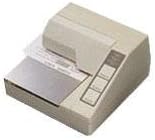
Epson C31C178242 TM-U295P Dot Matrix Slip Printer
Reliable POS Printing with the Epson TM-U295P-242 The Epson TM-U295P-242 is a robust dot matrix slip printer designed for point-of-sale applications. Its compact form factor, parallel interface, and Epson Cool White finish make it a dependable choice for businesses requiring efficient and clear r...
$427.59*
View on Amazon
✓ In Stock on Amazon.com
*Price sourced from Amazon.com. Last updated:Aug 29, 2026.Price and availability are subject to change — details.
Affiliate Disclosure: As an Amazon Associate, Studio Supplies earns from qualifying purchases made through links on this page, at no additional cost to you. This helps support our editorial team.
Notice a mistake? Let Us Know
Overview
Reliable POS Printing with the Epson TM-U295P-242
The Epson TM-U295P-242 is a robust dot matrix slip printer designed for point-of-sale applications. Its compact form factor, parallel interface, and Epson Cool White finish make it a dependable choice for businesses requiring efficient and clear receipt printing.
Specifications:
- Brand: Epson
- Model: C31C178242
- Printer Type: Point of Sale (POS) Printer
- Printing Technology: Impact Dot Matrix
- Output Type: Monochrome
- Black Print Speed: 2.1 lines/sec
- Connectivity: Parallel (IEEE1284), Serial RS-232C
- Language Simulation: EPSON ESC/POS
- Maximum Black and White Print Resolution: 240 dpi
- Media Size Maximum: 2.13 inches
- Dimensions: 7.1 in (Width) x 7.5 in (Depth) x 4 in (Height)
- Weight: 3.5 lb
- Color: Epson Cool White
Specifications
Brand
Epson
Model
C31C178242 TM-U295P
Technology
Dot Matrix
Function
Slip Printer
Frequently Asked Questions
What type of printer is the Epson C31C178242 TM-U295P?
The Epson C31C178242 TM-U295P is identified as a Dot Matrix Slip Printer, indicating its specialized function for printing slips.
What is the primary use case for a dot matrix slip printer?
Dot matrix slip printers are typically used in environments where printing on multi-part forms or small slips, such as receipts or validation tickets, is required.
Is this printer suitable for general office document printing?
Given its classification as a "slip printer," it is specialized for specific types of printing tasks rather than general document printing like a standard inkjet or laser printer.
Does this printer come with any specific connectivity options?
The available information does not specify connectivity options, so it's advisable to check product documentation for details on how it connects to other systems.
Related Products


