

EVGA
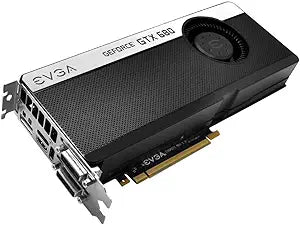
EVGA 02G-P4-2683-KR GTX680 SC Signature Graphics Card
2560 x 1600DisplayPort
Experience Gaming Power with the EVGA GeForce GTX 680 SC SIGNATURE Unleash the power of NVIDIA GeForce with the EVGA GeForce GTX 680 SC SIGNATURE. This graphics card delivers exceptional gaming performance, with 2GB of GDDR5 memory and support for 4-Way SLI, allowing you to experience smooth, lif...
Check availability
Affiliate Disclosure: As an Amazon Associate, Studio Supplies earns from qualifying purchases made through links on this page, at no additional cost to you. This helps support our editorial team.
Notice a mistake? Let Us Know
Overview
Experience Gaming Power with the EVGA GeForce GTX 680 SC SIGNATURE
Unleash the power of NVIDIA GeForce with the EVGA GeForce GTX 680 SC SIGNATURE. This graphics card delivers exceptional gaming performance, with 2GB of GDDR5 memory and support for 4-Way SLI, allowing you to experience smooth, lifelike gaming like never before.
Specifications:
- Memory: 2048 MB GDDR5
- Outputs: DVI, DVI-D, HDMI, DisplayPort
- SLI Support: 4-Way SLI Ready
- Brand: EVGA
- Model: GeForce GTX 680 SC SIGNATURE
Key Features
Base Clock: 1084MHz
Boost Clock: 1150MHz
Memory Clock: 6208MHz
Cuda Cores: 1536
PCI-Express 3.0
2048MB GDDR5 256bit
Nvidia SMX Engine, Nvidia GPU Boost, NVidia Adaptive Verticle Sync, Nvidia Surround, Support for Concurrent Displays, Nvidia PhysX, Nvidia 3D Vision Ready, Nvidia SLI Ready, Nvidia CUDA Technology
Chipset: NVIDIA GeForce GTX 680
Video Memory: 2GB GDDR5
Memory Interface:256-bit
Bus: PCI-Express 3.0 x16
Max Resolution: 2560 x 1600
Connectors: DVI-I, DVI-D, HDMI, DisplayPort
Specifications
Base Clock Speed
1084MHz
Boost Clock Speed
1150MHz
Memory Clock Speed
6208MHz
CUDA Cores
1536
PCI-Express Version
3.0
Video Memory
2048MB GDDR5
Memory Interface
256-bit
Chipset
NVIDIA GeForce GTX 680
Bus Interface
PCI-Express 3.0 x16
Max Resolution
2560 x 1600
Connectors
DVI-I, DVI-D, HDMI, DisplayPort
Frequently Asked Questions
What is the base clock speed of the EVGA GTX680 SC Signature Graphics Card?
The EVGA GTX680 SC Signature Graphics Card features a base clock speed of 1084MHz, providing solid performance for various applications.
What type and amount of video memory does this graphics card have?
This graphics card is equipped with 2048MB (2GB) of GDDR5 video memory and a 256-bit memory interface, facilitating efficient data throughput.
Does the EVGA GTX680 SC Signature Graphics Card support modern display technologies?
Yes, it supports several modern display technologies including Nvidia Surround, Nvidia 3D Vision Ready, and concurrent displays for versatile monitor setups.
What is the maximum resolution supported by this graphics card?
The card supports a maximum resolution of 2560 x 1600, allowing for high-definition visuals on compatible monitors.
What interface does this graphics card use to connect to the motherboard?
The EVGA GTX680 SC Signature Graphics Card connects via a PCI-Express 3.0 x16 bus, ensuring a high-bandwidth connection to your system.
What are the available video output connectors on this card?
It features DVI-I, DVI-D, HDMI, and DisplayPort connectors, offering a wide range of options for connecting to various display devices.
Related Products


