



EVGA
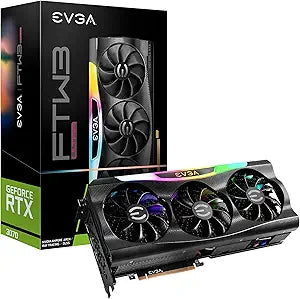
EVGA GeForce RTX 3070 FTW3 Ultra Gaming GPU - Renewed
Ampere-architecture RTX 3070 performance with EVGA's triple-fan iCX3 cooler at renewed pricing
$419.99*$585.00Save 28%
View on Amazon
✓ In Stock on Amazon.com
*Price sourced from Amazon.com. Last updated:Oct 23, 2026.Price and availability are subject to change — details.
Affiliate Disclosure: As an Amazon Associate, Studio Supplies earns from qualifying purchases made through links on this page, at no additional cost to you. This helps support our editorial team.
Notice a mistake? Let Us Know
Overview
Specifications
Brand
EVGA
Model
GeForce RTX 3070 FTW3 Ultra Gaming
GPU Architecture
NVIDIA Ampere (GA104)
CUDA Cores
5,888
Memory
8GB GDDR6
Memory Interface
256-bit
Ray Tracing
2nd Gen RT Cores
AI Features
3rd Gen Tensor Cores, DLSS 2.0+
Cooling
iCX3 Triple-Fan with 9 Thermal Sensors
Lighting
ARGB LED
Recommended PSU
650W minimum
Condition
Renewed (professionally inspected and tested)
Similar Products
Other products from the same family that visitors often consider:
 ✓ Available
EVGA GeForce RTX 3080 Ti FTW3 Ultra Gaming GPU Renewed
$699.99
View on Amazon → ✓ Available
EVGA 08G-P5-3767-KL GeForce RTX 3070 FTW3 Ultra Gaming
$585.00
View on Amazon → ✓ Available
EVGA GeForce RTX 3070 Ti FTW3 Ultra Gaming Graphics Card
$789.00
View on Amazon → ✓ Available
EVGA 08G-P5-3767-KR RTX 3070 FTW3 Ultra Gaming
$404.55
View on Amazon → ✓ Available
EVGA 10G-P4-3897 GeForce RTX 3080 FTW3 Ultra Gaming 10GB (Renewed)
$559.00
View on Amazon →Frequently Asked Questions
What GPU architecture is this based on, and what does that mean for game compatibility?
The RTX 3070 FTW3 Ultra is built on NVIDIA's Ampere architecture (GA104 die), supporting ray tracing, DLSS 2.0+, and all current DirectX 12 Ultimate features. It runs every modern title and will continue to receive driver optimizations from NVIDIA for years.
How much VRAM does it have, and is 8GB still sufficient?
It has 8GB of GDDR6 on a 256-bit bus. For 1440p gaming — this card's sweet spot — 8GB handles current titles well. At 4K with ultra textures or in VRAM-heavy workloads like video editing and AI inference, you may hit the buffer limit in some demanding scenarios.
What does "Renewed" mean for this card specifically?
This is a professionally inspected and tested unit that has been verified to work and look like new. It does not come with the original manufacturer warranty — renewed products typically carry a shorter guarantee from the reseller, so check the listing for specific warranty terms.
What power supply do I need to run this card?
EVGA recommends a 650W PSU minimum. The FTW3 Ultra variant draws more power than the reference design due to its higher boost clocks, so a quality 700W+ unit gives you comfortable headroom, especially in a system with a high-TDP processor.
What cooling solution does the FTW3 Ultra use?
EVGA's iCX3 cooling uses three fans with nine thermal sensors placed directly on key components — GPU die, memory, and VRM. This allows the card to independently monitor and manage temperatures across the board rather than relying solely on a single GPU temp reading.
Related Products


