



HP
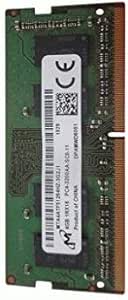
HP 13L79AT 4GB DDR4-3200 SODIMM Memory
DDR4-3200 SODIMM at 4GB delivers a reliable, HP-validated memory upgrade for laptops and small form factor PCs where clock speed and compatibility matter.
$24.99*
View on Amazon
✓ In Stock on Amazon.com
*Price sourced from Amazon.com. Last updated:Oct 22, 2026.Price and availability are subject to change — details.
Affiliate Disclosure: As an Amazon Associate, Studio Supplies earns from qualifying purchases made through links on this page, at no additional cost to you. This helps support our editorial team.
Notice a mistake? Let Us Know
Overview
Specifications
Memory Capacity
4GB
Memory Type
DDR4
Speed
3200 SODIMM
Model Number
13L79AT
Brand
HP
Similar Products
Other products from the same family that visitors often consider:
 Currently Unavailable
HP P1N53AT 4GB DDR4-2133 SODIMM Memory
Check on Amazon → Currently Unavailable
HP 13L77AA 8GB DDR4-3200 SODIMM Memory
Check on Amazon → Currently Unavailable
HP 13L75AT 16GB DDR4-3200 SODIMM Memory
Check on Amazon → Currently Unavailable
HP P2N46AA 4GB DDR3L 1600MHz SODIMM Memory
Check on Amazon →Frequently Asked Questions
What does DDR4-3200 mean, and is it noticeably faster than DDR4-2666?
DDR4-3200 runs at 3200 MHz — the memory clock that determines how fast data moves between the module and the CPU's memory controller. Compared to DDR4-2666 (the previous mainstream standard), DDR4-3200 delivers approximately 20% more theoretical peak bandwidth. In real-world task throughput, the difference is measurable in memory-bandwidth-sensitive workloads like large spreadsheet processing or light video encoding, but minimal for standard office productivity tasks.
What form factor is the HP 13L79AT, and will it fit in my laptop?
The 13L79AT is a SODIMM (Small Outline DIMM) — the compact form factor used in laptops, mini-PCs, and small form factor desktops. It is not compatible with full-size DIMM slots found in standard desktop motherboards. Verify that your target system uses SODIMM slots (most laptops do) and supports DDR4 — DDR5-platform laptops use a different socket that is not backward compatible with DDR4 modules.
Is this HP-branded module compatible with non-HP laptops?
Yes — DDR4 SODIMM is a standardized specification, and the HP 13L79AT will operate in any DDR4 SODIMM-compatible system regardless of brand. HP-branded modules are manufactured to HP's quality specifications and are well-suited for HP systems where HP-certified memory is preferred for warranty or enterprise policy reasons, but there is no electrical or firmware barrier to installing this module in a Dell, Lenovo, or other brand's DDR4 SODIMM-equipped device.
Can I add this 4GB module alongside existing RAM for dual-channel performance?
Dual-channel operation requires two matched modules — same capacity, speed, and ideally same manufacturer — installed in the appropriate paired slots. If your system has an existing 4GB DDR4-3200 SODIMM, adding this HP 13L79AT as a second module would enable dual-channel mode, effectively doubling the available memory bandwidth. Mixing speeds (e.g., pairing DDR4-3200 with DDR4-2666) will result in both modules running at the lower speed.
Does 4GB of DDR4 remain sufficient for modern computing tasks?
For basic productivity — web browsing, email, document editing, video conferencing — 4GB is functional but increasingly constrained, particularly on Windows 11, which itself occupies 2–3GB of the total available RAM. For users running multiple browser tabs, background applications, and modern productivity suites simultaneously, 8GB is the practical minimum today. This 4GB module is most appropriate as a standalone upgrade for very light-use systems or as one half of an 8GB dual-channel configuration.
Related Products


