



HP
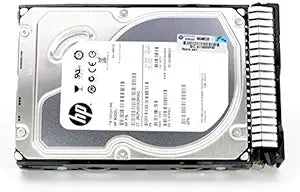
HP 653959-001 3TB SAS 7.2K RPM 3.5 SC HDD Hard Drive
3TB SAS at 7.2K RPM delivers enterprise-grade sequential throughput and dual-port redundancy for server storage arrays that can't afford downtime.
View price on Amazon
Affiliate Disclosure: As an Amazon Associate, Studio Supplies earns from qualifying purchases made through links on this page, at no additional cost to you. This helps support our editorial team.
Notice a mistake? Let Us Know
Overview
Key Features
Parts should be installed by experienced technicians.
Genuine Part and Model
Specifications
Capacity
3TB
Interface
SAS
Rotational Speed
7,200 RPM
Form Factor
3.5-inch SC (Small Carrier)
HP Part Number
653959-001
Similar Products
Other products from the same family that visitors often consider:
 ✓ Available
HP 653959-001 3TB SAS 7.2K RPM 3.5 SC HDD
$59.53
View on Amazon → ✓ Available
HP 653959-001 3TB SAS 7.2K RPM HDD
$59.53
View on Amazon → ✓ Available
HP 638521-002 3TB 7.2K SAS 3.5" Hard Drive
$52.05
View on Amazon → Currently Unavailable
HP 625030-001 3TB 7.2K SAS 3.5" Hard Drive w/ Tray
Check on Amazon → Currently Unavailable
HP 9SM160-0 3TB SATA 7.2K RPM Hard Drive
Check on Amazon →Frequently Asked Questions
What does the SAS interface offer over SATA in a server environment?
SAS supports dual-port connectivity, meaning this drive can be simultaneously connected to two HBAs or RAID controllers — if one path fails, the second maintains access without data loss or rebuild. SATA is single-port only. SAS also supports full-duplex communication, allowing simultaneous read and write operations at rated speed, while SATA operates half-duplex.
What RAID controllers and server platforms is the HP 653959-001 compatible with?
This drive is designed for HP ProLiant server platforms and HP-branded SAS RAID controllers (e.g., HP Smart Array P-series). It will also operate in any SAS 6Gbps-compatible HBA or expander enclosure from other vendors, but firmware-level features like predictive failure alerts (SMART integration) are most reliable within an HP server environment.
What sequential read and write speeds should I expect from a 7.2K RPM SAS drive?
At 7.2K RPM with a SAS 6Gbps interface, expect sequential read throughput in the range of 170–210MB/s and sequential write at 155–190MB/s. Random 4K IOPS will be in the 150–200 IOPS range — a significant limitation compared to SSDs, but adequate for backup targets, cold storage tiers, or large-block sequential workloads.
Is this drive suitable as a primary workload drive in a busy server environment?
At 7.2K RPM, this drive is most appropriately positioned as a secondary or bulk storage tier — backup repositories, archive volumes, NAS shares, or log storage. For primary workloads with high random I/O demand (databases, VMs), a 10K or 15K RPM SAS drive or an enterprise SSD provides substantially better latency and IOPS.
Does this drive require installation by a certified technician?
Per HP's documentation and the product listing, installation should be performed by an experienced technician. SAS backplane connections, RAID controller integration, and proper drive carrier fitment are straightforward for data center staff but involve risks (ESD damage, backplane connector stress) that warrant technical handling rather than end-user installation.
Related Products
