

HP
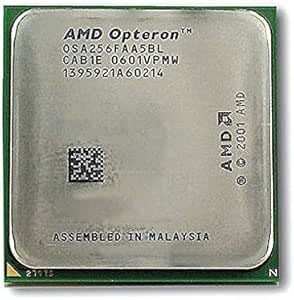
HP 654805-L21 AMD Opteron 6276 16-Core 2.30 GHz Processor
Upgrade Your Server Performance with AMD OpteronElevate your server capabilities with the Hewlett Packard AMD Opteron 6276 processor upgrade. Featuring sixteen cores and high clock speeds, this processor is designed to handle demanding workloads with ease. Specifications Brand: Hewlett Packard ...
Check availability
Affiliate Disclosure: As an Amazon Associate, Studio Supplies earns from qualifying purchases made through links on this page, at no additional cost to you. This helps support our editorial team.
Notice a mistake? Let Us Know
Overview
Upgrade Your Server Performance with AMD Opteron
Elevate your server capabilities with the Hewlett Packard AMD Opteron 6276 processor upgrade. Featuring sixteen cores and high clock speeds, this processor is designed to handle demanding workloads with ease.
Specifications
- Brand: Hewlett Packard (HP)
- Model: 654805-L21
- Processor Type: AMD Opteron 6276
- Number of Cores: 16 (Hexadeca-core)
- Clock Speed: 2.30 GHz
- Socket Type: Socket G34 LGA-1944
- L2 Cache: 2 MB
- L3 Cache: 16 MB
- Process Technology: 32 nm
- Thermal Design Power (TDP): 115 W
- Maximum Operating Temperature: 156.2 F (69 C)
Specifications
Brand
HP
Processor Model
AMD Opteron 6276
Core Count
16-Core
Clock Speed
2.30 GHz
Frequently Asked Questions
How many cores does the HP 654805-L21 AMD Opteron 6276 processor have?
The HP 654805-L21 AMD Opteron 6276 processor features 16 cores, designed for robust processing power.
What is the clock speed of this AMD Opteron processor?
This AMD Opteron processor operates at a base clock speed of 2.30 GHz.
Is this processor suitable for a standard desktop computer?
This processor, being an AMD Opteron, is specifically designed for server environments and multi-socket motherboards, and is generally not compatible with standard desktop computers.
Is the AMD Opteron 6276 a current generation processor?
No, the AMD Opteron 6276 is an older generation processor and would be considered a legacy component in today's market.
What kind of applications would benefit from a 16-core processor like this?
Applications that can heavily utilize multiple cores, such as virtualization, database management, scientific simulations, and rendering, would benefit from a 16-core processor.
Related Products


