

HP
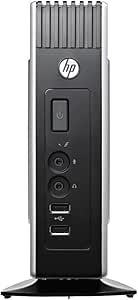
HP A1W84AT#ABA Tower Thin Client Nano 2GB 4GB
Efficient and Secure Thin Client Solution The HP A1W84AT Tower Thin Client delivers a secure and streamlined computing experience, ideal for virtualized environments. With its energy-efficient design and essential features, this thin client provides a cost-effective solution for your business nee...
Check availability
Affiliate Disclosure: As an Amazon Associate, Studio Supplies earns from qualifying purchases made through links on this page, at no additional cost to you. This helps support our editorial team.
Notice a mistake? Let Us Know
Overview
Efficient and Secure Thin Client Solution
The HP A1W84AT Tower Thin Client delivers a secure and streamlined computing experience, ideal for virtualized environments. With its energy-efficient design and essential features, this thin client provides a cost-effective solution for your business needs.
Specifications:
- Brand: HP
- Model: A1W84AT#ABA
- Processor: VIA Nano U3500 1 GHz
- Memory: 2 GB RAM
- Storage: 4 GB Flash
- Operating System: Genuine Windows Embedded Standard 7
Specifications
Type
Thin Client
Form Factor
Tower
RAM
2GB
Storage
4GB
Brand
HP
Frequently Asked Questions
What is the primary purpose of the HP A1W84AT#ABA Tower Thin Client?
The primary purpose of this HP Tower Thin Client is to provide a cost-effective and secure way to access server-based applications and desktops in a networked environment.
How much memory is included with this thin client?
This thin client comes with 2GB of RAM, suitable for running basic operating systems and accessing remote applications.
What is the storage capacity of this device?
It includes 4GB of storage, which is typically used for the thin client's operating system and essential configurations.
Is this thin client suitable for running demanding local applications?
No, with 2GB RAM and 4GB storage, this thin client is not designed for demanding local applications but rather for accessing resources remotely.
Can this thin client be used as a standalone desktop computer?
While it can function with basic tasks, its limited local resources mean it is primarily intended to operate as a terminal for server-based computing, rather than a powerful standalone desktop.
Related Products


