

HP
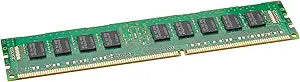
HP A2Z49AT 4GB DDR3 1600MHz ECC RAM
Upgrade Your System's Performance with HP 4 GB DDR3 RAM The HP 4 GB DDR3 1600 (PC3 12800) RAM is designed to enhance the performance of your workstation. This DIMM module provides reliable and efficient memory for demanding applications. Capacity: 4 GB. Type: DDR3. Speed: 1600 MHz / PC3-12800. F...
$17.94*
Check availability
*Price sourced from Amazon.com. Last updated:Oct 21, 2026.Price and availability are subject to change — details.
Affiliate Disclosure: As an Amazon Associate, Studio Supplies earns from qualifying purchases made through links on this page, at no additional cost to you. This helps support our editorial team.
Notice a mistake? Let Us Know
Overview
Upgrade Your System's Performance with HP 4 GB DDR3 RAM
The HP 4 GB DDR3 1600 (PC3 12800) RAM is designed to enhance the performance of your workstation. This DIMM module provides reliable and efficient memory for demanding applications.
- Capacity: 4 GB.
- Type: DDR3.
- Speed: 1600 MHz / PC3-12800.
- Form Factor: DIMM 240-pin.
Key Features
Capacity: 4 GB
Memory Type: DDR3 SDRAM - DIMM 240-pin
Upgrade Type: System specific
Specifications
Capacity
4 GB
Memory Type
DDR3 SDRAM
Form Factor
DIMM 240-pin
Speed
1600MHz
Features
ECC (Error-Correcting Code)
Upgrade Type
System specific
Brand
HP
Frequently Asked Questions
What is the capacity of the HP A2Z49AT RAM module?
The HP A2Z49AT RAM module has a capacity of 4GB, suitable for increasing system memory.
What type of memory is this RAM module, and what is its speed?
This is a DDR3 SDRAM module with a speed of 1600MHz, offering reliable performance for compatible systems.
Does this RAM module include error-correcting capabilities?
Yes, the HP A2Z49AT RAM module features ECC (Error-Correcting Code), which helps improve data integrity and system stability.
Is this RAM compatible with any computer system?
No, this RAM module is specified as a "System specific" upgrade, meaning it is primarily designed for particular HP systems and compatibility should be verified.
What is the physical form factor of this memory module?
The memory module comes in a DIMM 240-pin form factor, which is common for many desktop and server motherboards.
Related Products


