



HP
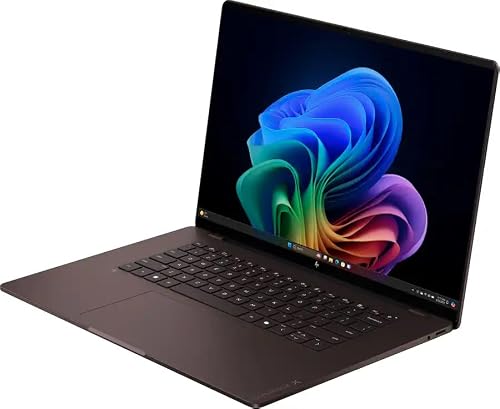
HP OmniBook X Snapdragon X2 Elite Touchscreen Laptop
A 12-core Snapdragon X2 Elite processor and a 95% DCI-P3 touchscreen anchor HP's thin, 3.83-pound OmniBook X
$1,229.00*
View on Amazon
✓ In Stock on Amazon.com
*Price sourced from Amazon.com. Last updated:Aug 18, 2026.Price and availability are subject to change — details.
Affiliate Disclosure: As an Amazon Associate, Studio Supplies earns from qualifying purchases made through links on this page, at no additional cost to you. This helps support our editorial team.
Notice a mistake? Let Us Know
Overview
Key Features
[High-Speed Memory & Storage] Upgraded to 24GB DDR5 SDRAM; 512GB PCI-E NVMe SSD; Windows 11 Home
[High-End Performance CPU] Latest powerful and efficient Qualcomm Snapdragon X2 Elite X2E-84-100 Processor (Up to 4.7 GHz, 12 Cores, 12 Threads)
[16" WUXGA Touchscreen Display] 1920 x 1200 pixels, multi touch-enabled, 300 nits, 95% DCI-P3, Thin Bezel LCD; Powered by Qualcomm Adreno Graphics
[Connection & Ports] Wi-Fi 7 (2x2) 802.11be and Bluetooth 5.4 Combo; 2x USB 3.2 Gen 2 Type-C support Power Delivery / DisplayPort / Power-off Charging / 10Gbps, 1x USB 3.2 Gen 2 Type-A support 10Gbps, 1x Headphone and microphone combo jack
[Additional Attributes] Backlit Keyboard; 1080p + IR Camera with Privacy Shutter; 59Whr 3-Cell lithium-ion battery (up to 8 hours battery life); 13.98" x 9.65" x 0.52" inches, 3.83 lbs; Deep Espresso; 65W AC Adapter; COU 32GB USB Drive included
Specifications
Brand
HP
Model
OmniBook X
Processor
Qualcomm Snapdragon X2 Elite X2E-84-100, 12 cores, up to 4.7 GHz
Graphics
Qualcomm Adreno
Memory
24GB LPDDR5
Storage
512GB PCIe NVMe SSD
Display
16" WUXGA 1920 x 1200 touchscreen, 300 nits, 95% DCI-P3
Operating System
Windows 11 Home
Wireless
Wi-Fi 7 (2x2) 802.11be, Bluetooth 5.4
Ports
2x USB-C 3.2 Gen 2 (PD/DisplayPort), 1x USB-A 3.2 Gen 2, headphone/mic combo
Camera
1080p + IR with privacy shutter
Battery
59Whr 3-cell, up to 8 hours; 65W AC adapter
Dimensions
13.98" x 9.65" x 0.52", 3.83 lbs, Deep Espresso
Frequently Asked Questions
What processor powers the HP OmniBook X and how capable is it?
It uses the Qualcomm Snapdragon X2 Elite X2E-84-100, a 12-core Arm chip that boosts up to 4.7 GHz, aimed at responsive multitasking and everyday productivity work.
Is the 16-inch display good for photo and video work?
The WUXGA touchscreen covers 95% of DCI-P3 and runs 1920 x 1200 at 300 nits, so color reproduction is strong, though the modest brightness is best suited to indoor use.
How portable is this 16-inch laptop day to day?
Quite portable for its screen size. It measures just 0.52 inches thick and weighs 3.83 pounds, making it easy to slip into a bag despite the large 16-inch panel.
What ports and wireless connectivity does the OmniBook X include?
It offers two USB-C 3.2 Gen 2 ports with Power Delivery and DisplayPort, one USB-A port, a combo audio jack, plus Wi-Fi 7 and Bluetooth 5.4 for fast wireless links.
How long does the battery last on a charge?
HP rates the 59Whr battery at up to eight hours, and the bundled 65W USB-C adapter handles charging, with power-off charging supported through the USB-C ports.
Are there app compatibility concerns with the Snapdragon chip?
Because it runs on Arm-based Snapdragon silicon, most modern Windows 11 apps work well, but some x86-only software and niche legacy peripherals may still need workarounds.
Related Products

