

HP
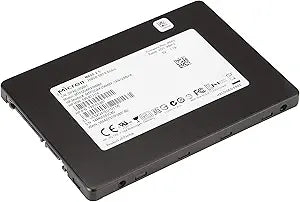
HP P1N68AA 256GB Office SSD Internal SATA 6Gb/s Drive
Upgrade Your Desktop Performance with a Reliable SSDEnhance the responsiveness and durability of your HP Business Desktop PC with the HP Hewlett Packard Office Solid State Drive. Its robust design and faster speeds ensure efficient performance and increased productivity. Capacity: 256 GB NAND ...
$39.95*
Check availability
*Price sourced from Amazon.com. Last updated:Sep 04, 2026.Price and availability are subject to change — details.
Affiliate Disclosure: As an Amazon Associate, Studio Supplies earns from qualifying purchases made through links on this page, at no additional cost to you. This helps support our editorial team.
Notice a mistake? Let Us Know
Overview
Upgrade Your Desktop Performance with a Reliable SSD
Enhance the responsiveness and durability of your HP Business Desktop PC with the HP Hewlett Packard Office Solid State Drive. Its robust design and faster speeds ensure efficient performance and increased productivity.
- Capacity: 256 GB
- NAND Flash Memory Type: Triple-level cell (TLC)
- Interface: SATA 6Gb/s
- Form Factor: 3.5"
Key Features
Capacity: 256 GB
NAND Flash Memory Type: Triple-level cell (TLC)
Interface: SATA 6Gb/s
Specifications
Capacity
256 GB
NAND Flash Memory Type
Triple-level cell (TLC)
Interface
SATA 6Gb/s
Frequently Asked Questions
What is the storage capacity of the HP P1N68AA Office SSD?
The HP P1N68AA 256GB Office SSD offers a storage capacity of 256 GB.
What type of NAND Flash Memory does this HP SSD use?
This HP Office SSD utilizes Triple-level cell (TLC) NAND Flash Memory.
What interface does the HP P1N68AA SSD use for connection?
The HP P1N68AA 256GB Office SSD uses a SATA 6Gb/s interface for connection.
Is this an internal or external solid state drive?
The HP P1N68AA is an internal SATA 6Gb/s Drive, designed to be installed inside a computer system.
Related Products


