



HP
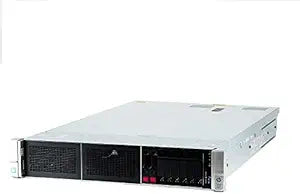
HP Proliant DL560 G9 Gen9 Server Renewed
Quad-processor HP ProLiant DL560 Gen9 server with 1.5TB RAM and 48 cores for large-scale enterprise workloads.
View price on Amazon
Affiliate Disclosure: As an Amazon Associate, Studio Supplies earns from qualifying purchases made through links on this page, at no additional cost to you. This helps support our editorial team.
Notice a mistake? Let Us Know
Overview
High-Performance Server Solution
The HP Proliant DL560 Gen9 is a powerful server designed for demanding enterprise applications. Featuring four Intel Xeon E5-4650 V3 processors, massive RAM, and high-capacity storage, this renewed server delivers exceptional performance and reliability.
Specifications:
- Brand: HP
- Model: Proliant DL560 G9
- Form Factor: 8B SFF
- Processors: 4 x Intel Xeon E5-4650 V3 Twelve Core 2.1Ghz
- RAM: 1536GB
- Storage: 2 x 1TB
- RAID Controller: B140i
- Condition: Renewed
Frequently Asked Questions
How many processors does this DL560 Gen9 include and what are they?
It is equipped with four Intel Xeon E5-4650 V3 twelve-core processors running at 2.1GHz, delivering a total of 48 physical cores and 96 threads.
What does "renewed" mean for this server?
Renewed means the server has been professionally inspected, tested, and restored to working condition. It may show minor cosmetic wear but is verified to function like new.
How much RAM is installed and what makes this configuration notable?
This server comes with 1,536GB (1.5TB) of RAM, an exceptionally large memory capacity that supports in-memory databases, large-scale virtualization, and memory-intensive analytics workloads.
What storage configuration is included?
It includes two 1TB hard drives in the 8-bay small form factor chassis, managed by the HP B140i RAID controller.
What type of workloads is the DL560 Gen9 best suited for?
With its four-socket processor configuration and 1.5TB of RAM, this server excels at large-scale virtualization, in-memory databases like SAP HANA, data analytics, and mission-critical enterprise applications that demand maximum compute density.
Related Products


