

HP
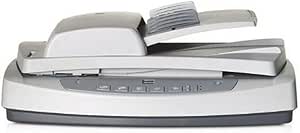
HP Scanjet 5590 Flatbed Document Scanner
2,400 dpi optical resolution and a 50-sheet ADF with duplex scanning make this flatbed the workhorse for mixed document and photo digitization.
$379.99*
Check availability
*Price sourced from Amazon.com. Last updated:Oct 08, 2026.Price and availability are subject to change — details.
Affiliate Disclosure: As an Amazon Associate, Studio Supplies earns from qualifying purchases made through links on this page, at no additional cost to you. This helps support our editorial team.
Notice a mistake? Let Us Know
Overview
Key Features
Auto two-sided , multiple page scanning
Scan media types: Paper (banner, inkjet, photo, plain), envelopes, labels, cards (greeting, index), 3-D objects, 35 mm slides and negatives (using transparent materials adapter),iron-on transfers
Features: 50 sheet Automatic document feeder (two-sided), Transparent materials adapter: scans three slides or four 35 mm negative frames
Specifications
Product Type
Flatbed Document Scanner
Model
Scanjet 5590
Scanning Feature
Auto two-sided, multiple page scanning
Automatic Document Feeder (ADF) Capacity
50 sheets
ADF Feature
Two-sided scanning
Transparent Materials Adapter
Included
Slide Scanning Capacity
Three 35 mm slides
Negative Scanning Capacity
Four 35 mm negative frames
Supported Media Types
Paper (banner, inkjet, photo, plain), envelopes, labels, cards (greeting, index), 3-D objects, 35 mm slides and negatives, iron-on transfers
Frequently Asked Questions
What does 2,400 dpi optical resolution mean for photo and slide scanning quality?
2,400 dpi is the true optical (hardware) resolution — no interpolation. At this resolution, a standard 4×6 print scans at 9,600×14,400 pixels, sufficient for large reprints or archival use. For 35mm slides and negatives using the transparent materials adapter, 2,400 dpi captures fine grain detail adequately for web use and standard-size prints, though dedicated film scanners with 4,000+ dpi optics will yield more shadow detail in negatives.
How does the 50-sheet ADF handle mixed document types — does it require identical paper weights?
The ADF is designed for standard paper weights (plain paper, photo paper, inkjet sheets). Mixing heavy card stock with lightweight paper in a single ADF batch increases misfeed risk. For best throughput reliability, batch by paper type. The duplex ADF handles two-sided documents without manual flipping, halving the time for double-sided contracts or reports.
What interface does the Scanjet 5590 use, and will it work with current operating systems?
The 5590 uses Hi-Speed USB 2.0. The hardware interface is universally compatible with modern systems, but HP ceased driver development for this model years ago — current Windows 10/11 and macOS users will need to rely on third-party TWAIN/WIA-compatible software (such as VueScan) rather than HP's native scanning application for full feature access.
Can the transparent materials adapter (TMA) scan full strips of 35mm negatives?
The TMA scans four 35mm negative frames or three mounted slides in a single pass. Full 36-exposure rolls require multiple passes and repositioning. The adapter is a flat-bed accessory — it is not an automatic film feeder, so throughput for large negative archives is limited by manual repositioning between scans.
Is the 48-bit color depth meaningful for practical output files?
48-bit scanning captures 16 bits per color channel (vs. 8-bit in standard 24-bit output), providing significantly more dynamic range headroom for post-processing in Photoshop or Lightroom. Final output for web or print is typically downsampled to 24-bit, but the 48-bit capture preserves shadow and highlight detail during color correction that would otherwise be clipped in a direct 24-bit scan.
Related Products


