

HP
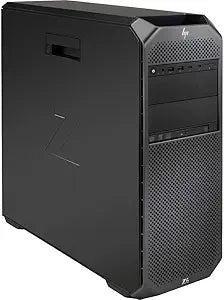
HP Z6 G4 Workstation 2X Gold 5122 NVMe, Renewed
HP Z6 G4 Workstation: Renewed Performance PowerhouseExperience robust performance with the renewed HP Z6 G4 Workstation. Featuring dual Intel Gold 5122 processors, 64GB of RAM, a fast 500GB NVMe SSD, and a WX 4100 graphics card, this workstation is designed for demanding professional applications...
View price on Amazon
Affiliate Disclosure: As an Amazon Associate, Studio Supplies earns from qualifying purchases made through links on this page, at no additional cost to you. This helps support our editorial team.
Notice a mistake? Let Us Know
Overview
HP Z6 G4 Workstation: Renewed Performance Powerhouse
Experience robust performance with the renewed HP Z6 G4 Workstation. Featuring dual Intel Gold 5122 processors, 64GB of RAM, a fast 500GB NVMe SSD, and a WX 4100 graphics card, this workstation is designed for demanding professional applications. Pre-installed with Windows 11...
Specifications
Workstation Model
HP Z6 G4
Processors
2X Intel Gold 5122
Storage Type
NVMe
Product Condition
Renewed
Frequently Asked Questions
What type of processors are in this HP Z6 G4 Workstation?
This workstation is equipped with two Intel Gold 5122 processors, designed for high-performance computing tasks.
Does this workstation include NVMe storage?
Yes, it features NVMe storage, which provides very fast data access and improved system responsiveness.
Is this a new or renewed workstation?
This HP Z6 G4 Workstation is a renewed product, offering a potentially cost-effective option for professional users.
Are there any details on the included RAM or graphics card?
The provided information does not specify the RAM capacity or the type of graphics card included with this workstation.
What kind of tasks is this workstation suited for?
With dual Intel Gold processors and NVMe storage, it is well-suited for demanding professional applications like CAD, video editing, and complex simulations.
Related Products


