

Intel
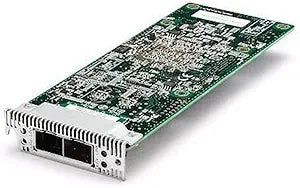
Intel 49Y7980 X520 Dual Port 10GbE Network Adapter
High-Speed Connectivity for Enterprise NetworksThe Intel X520 Network Adapter provides reliable 10 GbE connectivity for IBM System x servers. Powered by proven Intel technology, this dual-port adapter delivers full line-rate performance for high-IO intensive applications, making it ideal for ente...
$69.99*
View on Amazon
✓ In Stock on Amazon.com
*Price sourced from Amazon.com. Last updated:Oct 07, 2026.Price and availability are subject to change — details.
Affiliate Disclosure: As an Amazon Associate, Studio Supplies earns from qualifying purchases made through links on this page, at no additional cost to you. This helps support our editorial team.
Notice a mistake? Let Us Know
Overview
High-Speed Connectivity for Enterprise Networks
The Intel X520 Network Adapter provides reliable 10 GbE connectivity for IBM System x servers. Powered by proven Intel technology, this dual-port adapter delivers full line-rate performance for high-IO intensive applications, making it ideal for enterprise networks and data centers.
Key Features:
- Dual-port 10 GbE connectivity.
- Powered by reliable Intel 10 Gb Ethernet technology.
- Full line-rate 10 Gbps performance.
- Next-generation 10 GbE networking features.
Specifications:
- Brand: Intel
- Model: 49Y7980
- Ports: Dual-Port
- Data Transfer Rate: 10 Gbps
- Compatibility: IBM System x
Key Features
Load balancing on multiple processors, which increases performance on multiprocessor systems by efficiently balancing network loads across processor cores
Header splits and replication in receive helps the driver focus on the relevant part of the packet without needing to parse it
Multiple queues allow packet handling without the waiting/buffer overflow, which provides efficient packet prioritization
Support for Intel Virtualization Technology (VT) with I/OAT and VMDq
Ieee 802.3X Flow Control Support
Ieee 802.1P Class Of Service/Quality Of Service
Specifications
Brand
Intel
Model
X520 Dual Port
Port Type
10GbE Network Adapter
Feature
Load Balancing
Feature
Header Splits and Replication
Feature
Multiple Queues
Feature
Intel Virtualization Technology (VT) with I/OAT and VMDq
Feature
IEEE 802.3X Flow Control Support
Feature
IEEE 802.1P Class Of Service/Quality Of Service
Frequently Asked Questions
What kind of performance improvement can I expect with this Intel 10GbE network adapter?
This adapter offers 10 Gigabit Ethernet speeds, which is significantly faster than standard Gigabit Ethernet, benefiting high-bandwidth applications and server environments.
Is this network adapter compatible with standard Ethernet cables, or does it require specific cabling?
For 10GbE speeds, this adapter typically requires Cat6a or higher Ethernet cabling, or fiber optic cables, rather than older Cat5e cables.
Can this Intel X520 adapter be used in a regular desktop PC, or is it intended for servers?
While it can technically be installed in a desktop with a compatible PCIe slot, its features like load balancing and virtualization support are primarily designed for server and workstation environments.
Does this network adapter support link aggregation?
The features listed suggest advanced network management capabilities that are often part of link aggregation or similar bonding technologies to enhance throughput and redundancy.
How does the "multiple queues" feature benefit network performance?
Multiple queues allow for more efficient handling and prioritization of network packets, reducing latency and preventing data bottlenecks, especially in high-traffic scenarios.
Related Products


