

Intel
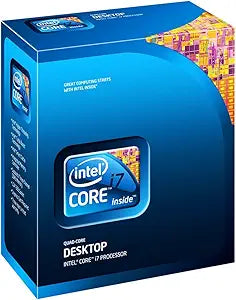
Intel BX80605I7860 Core i7-860 2.8GHz LGA1156 CPU
Quad-core Nehalem architecture with Hyper-Threading and Turbo Boost delivers 8 threads of processing power on the LGA 1156 platform.
$163.04*
View on Amazon
✓ In Stock on Amazon.com
*Price sourced from Amazon.com. Last updated:Oct 23, 2026.Price and availability are subject to change — details.
Affiliate Disclosure: As an Amazon Associate, Studio Supplies earns from qualifying purchases made through links on this page, at no additional cost to you. This helps support our editorial team.
Notice a mistake? Let Us Know
Overview
Key Features
Quad Core Enhanced Intel Speedstep Technology
Hyper-Threading Technology
Intel EM64T 2 Intel Virtualization Technology
Specifications
Processor Family
Intel Core i7
Model
i7-860 (BX80605I7860)
Base Clock Speed
2.80 GHz
Max Turbo Frequency
3.46 GHz
Cores / Threads
4 / 8
Cache
8 MB L3
Bus Speed
2.5 GT/s DMI
Socket
LGA 1156
Process Node
45 nm
TDP
95 W
Memory Support
Dual-channel DDR3-1066/1333
Technologies
Turbo Boost, Hyper-Threading, VT-x, EM64T, Enhanced SpeedStep
Similar Products
Other products from the same family that visitors often consider:
 ✓ Available
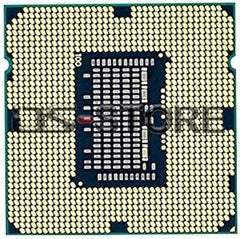
Intel i7-860 Desktop CPU: 2.8GHz LGA1156 Processor
$133.31
View on Amazon → ✓ Available
Intel i7-860: Core i7 Quad Core 2.8GHz LGA 1156 Processor
$111.00
View on Amazon → ✓ Available
Intel Pentium Dual Core E5500 2.8GHz LGA775 CPU
$29.95
View on Amazon → ✓ Available
Intel SL9TB-cr Core 2 Duo E4300 1.8GHz Laptop CPU (Renewed)
$12.12
View on Amazon → ✓ Available
Intel SL8HX Pentium 4 2.8GHz CPU
$36.00
View on Amazon →Frequently Asked Questions
What motherboard chipsets and socket types are compatible with the Core i7-860?
The i7-860 uses the LGA 1156 socket and is compatible with Intel P55, H55, and H57 chipset motherboards. It will not work in LGA 1155 or LGA 1150 boards despite similar socket names — the pin configurations are electrically different.
How does Turbo Boost work on this processor, and what are the maximum boost clocks?
Intel Turbo Boost on the i7-860 dynamically increases clock speed from the 2.80 GHz base up to 3.46 GHz on a single core when thermal and power headroom allows. With all four cores loaded, boost will be lower. This gives you extra single-threaded performance for tasks like gaming and lightly-threaded applications without manual overclocking.
Does the i7-860 support DDR3 memory, and what speeds are officially validated?
The integrated memory controller supports dual-channel DDR3 at 1066 and 1333 MHz. Higher-speed DDR3 modules will downclock to 1333 MHz unless overclocked through the motherboard BIOS. Maximum supported memory depends on the motherboard, typically 16 GB across four DIMM slots.
Is this processor suitable for virtualization workloads?
Yes. The i7-860 includes Intel VT-x virtualization technology, which provides hardware-assisted virtual machine performance. With four cores and eight threads via Hyper-Threading, it can run multiple lightweight VMs simultaneously, though it lacks VT-d for direct I/O passthrough — check your specific use case requirements.
What is the TDP and does this processor require an aftermarket cooler?
The thermal design power is 95 W. The retail box includes Intel's stock cooler, which is adequate for stock-speed operation. If you plan to run sustained all-core loads or overclock, an aftermarket tower cooler with a 120mm fan will keep temperatures well within safe margins on the 45nm Lynnfield die.
Related Products


