

Intel
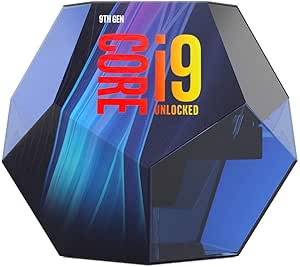
Intel BX80684I99900K Core i9-9900K 3.6GHz Desktop Processor
i9-9900K
Eight cores, 16 threads, and a 5GHz boost ceiling — the i9-9900K delivers workstation-class throughput in a desktop socket.
$299.00*
View on Amazon
✓ In Stock on Amazon.com
*Price sourced from Amazon.com. Last updated:Oct 23, 2026.Price and availability are subject to change — details.
Affiliate Disclosure: As an Amazon Associate, Studio Supplies earns from qualifying purchases made through links on this page, at no additional cost to you. This helps support our editorial team.
Notice a mistake? Let Us Know
Overview
Key Features
Intel Core i9 9900K - LGA 1151 - 3.6GHz (Turbo 5GHz) - 16MB Cache - 9th Generation Coffee Lake - BX80684I99900K
Specifications
Brand
Intel
Model
BX80684I99900K
Generation
9th Gen Coffee Lake Refresh
Socket
LGA1151
Cores
8
Threads
16
Base Clock
3.6GHz
Turbo Boost (Max)
5.0GHz
L3 Cache
16MB
TDP
95W
Integrated Graphics
Intel UHD Graphics 630
Overclockable
Yes (unlocked multiplier)
Similar Products
Other products from the same family that visitors often consider:
 ✓ Available
Intel BX80684I99900K Core i9-9900K 5.0 GHz LGA1151 Processor
$419.00
View on Amazon → ✓ Available
Intel BX80684I38100 Core i3-8100 Desktop Processor 3.6 GHz
$94.99
View on Amazon → Currently Unavailable
Intel BX8071514700K Core i7-14700K 5.6 GHz Desktop Processor
Check on Amazon → ✓ Available
Intel BX8070110850K Core i9-10850K 3.6GHz Processor
$382.59
View on Amazon → ✓ Available
Intel BX80646I34350 Core i3-4350 3.6GHz Processor
$199.88
View on Amazon →Frequently Asked Questions
What socket does the i9-9900K use, and which motherboards are compatible?
LGA1151. It requires a 300-series motherboard (Z390 strongly recommended for full overclocking support — Z370 boards work but may need a BIOS update and don't officially support all 9th-gen features). Z390 is the target platform.
What does the unlocked multiplier actually let you do?
It means you can push the all-core clock well beyond the 3.6GHz base — most Z390 boards with adequate VRM can sustain 5.0–5.1GHz all-core with good cooling. The stock Turbo Boost ceiling is 5.0GHz on a single core; overclocking extends that to all eight cores simultaneously.
How much thermal headroom does this chip need?
The i9-9900K has a 95W TDP, but under sustained all-core load — particularly when overclocked — heat output climbs significantly. A 240mm AIO is the practical minimum; a 280mm or 360mm AIO, or a high-end air cooler like a Noctua NH-D15, is recommended for stable overclocks.
Does it include integrated graphics?
Yes. The i9-9900K includes Intel UHD Graphics 630, which supports basic display output. It's not intended for gaming or GPU compute — its value is as a fallback display output or for builds without a dedicated GPU in the short term.
Is this chip still worth using in a current build?
For gaming at high framerates it remains competitive, but it is a 9th-gen part on a platform (LGA1151) with no upgrade path beyond 9th-gen. New builds should evaluate current-platform alternatives; this chip is best suited for upgrading an existing Z390 system.
Related Products


