

Intel
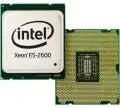
Intel E5 2660 V2 Xeon 10 Core 2.2GHz CPU
Unleash Server-Grade Performance The Intel Xeon E5-2660 V2 is a ten-core processor designed for demanding server and workstation environments. With a clock speed of 2.2GHz and a generous 25MB L3 cache, this CPU delivers robust performance for virtualization, data processing, and other intensive t...
$98.59*
Check availability
*Price sourced from Amazon.com. Last updated:Oct 22, 2026.Price and availability are subject to change — details.
Affiliate Disclosure: As an Amazon Associate, Studio Supplies earns from qualifying purchases made through links on this page, at no additional cost to you. This helps support our editorial team.
Notice a mistake? Let Us Know
Overview
Unleash Server-Grade Performance
The Intel Xeon E5-2660 V2 is a ten-core processor designed for demanding server and workstation environments. With a clock speed of 2.2GHz and a generous 25MB L3 cache, this CPU delivers robust performance for virtualization, data processing, and other intensive tasks.
Specifications:
- Brand: Intel
- Model: E5 2660 V2
- Core Count: 10
- Clock Speed: 2.2GHz
- L3 Cache: 25MB
Specifications
Processor Model
E5 2660 V2 Xeon
Brand
Intel
Core Count
10 Core
Base Clock Speed
2.2GHz
Frequently Asked Questions
What is the core count of the Intel E5 2660 V2 Xeon processor?
This Intel Xeon processor features 10 cores, which is beneficial for handling multiple tasks simultaneously.
What is the base clock speed of this CPU?
The Intel E5 2660 V2 Xeon operates at a base clock speed of 2.2GHz.
Is this processor suitable for gaming?
While it has a high core count, the Intel E5 2660 V2 Xeon is primarily designed for server and workstation applications, focusing on multi-threaded performance rather than single-core speed typically favored by gaming.
What kind of systems is this Intel Xeon CPU compatible with?
This CPU is intended for systems that support the Intel Xeon E5 family of processors, usually found in workstations and servers.
Does this processor come with integrated graphics?
Information regarding integrated graphics is not provided; Xeon processors often require a dedicated graphics card.
Is this a new or refurbished product?
The provided information does not specify if it's new or refurbished, only the model name is given.
What generation is this Xeon processor?
Based on the model number E5 2660 V2, this is a part of Intel's Xeon E5-2600 v2 product family.
Related Products


