

Intel
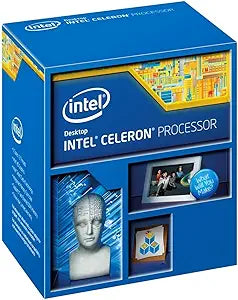
Intel FBA_BX80646G1850 Celeron G1850 2.9 GHz Processor
Efficient Performance for Everyday ComputingThe Intel Celeron G1850 processor delivers reliable performance for everyday computing tasks. With two cores and a 2.9 GHz clock speed, this processor is designed to provide efficient and responsive performance for basic computing needs. Processor: In...
$49.00*
Check availability
*Price sourced from Amazon.com. Last updated:Oct 25, 2026.Price and availability are subject to change — details.
Affiliate Disclosure: As an Amazon Associate, Studio Supplies earns from qualifying purchases made through links on this page, at no additional cost to you. This helps support our editorial team.
Notice a mistake? Let Us Know
Overview
Efficient Performance for Everyday Computing
The Intel Celeron G1850 processor delivers reliable performance for everyday computing tasks. With two cores and a 2.9 GHz clock speed, this processor is designed to provide efficient and responsive performance for basic computing needs.
- Processor: Intel Celeron G1850
- Cores: 2
- Threads: 2
- Cache: 2 MB
- Socket: LGA1150
- Clock Speed: 2.9 GHz
Key Features
Intel Celeron Processor G1850 (2M Cache 2.90 GHz) FC-LGA12C BX80646G1850
Intel BX80646G1850
Specifications
Processor Model
G1850
Processor Series
Intel Celeron
Clock Speed
2.90 GHz
Cache
2M Cache
Socket Type
FC-LGA12C
Frequently Asked Questions
What is the clock speed of the Intel Celeron G1850 processor?
The Intel Celeron G1850 processor operates at a base clock speed of 2.90 GHz.
How much cache memory does the Celeron G1850 have?
This processor comes with a 2M Cache, which assists in faster data retrieval for improved performance.
What socket type does the Intel Celeron G1850 use?
The Intel Celeron G1850 uses the FC-LGA12C socket type, important for motherboard compatibility.
Is the Intel Celeron G1850 suitable for high-performance gaming?
The Intel Celeron G1850 is an entry-level processor and may not provide optimal performance for demanding high-performance gaming applications.
Is this processor bundled with a cooler?
Information regarding the inclusion of a cooler or its thermal design power (TDP) is not specified in the product features.
Related Products


