

Intel
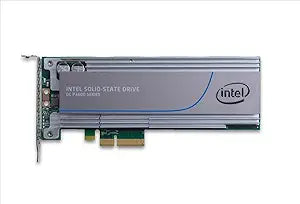
Intel SSDPEDME020T401 DC P3600 Series 2TB SSD
2TB SSD
Intel's DC P3600 Series delivers 2TB of enterprise NVMe SSD performance with PCIe 3.0 speed and MLC endurance.
$2,000.00*
View on Amazon
✓ In Stock on Amazon.com
*Price sourced from Amazon.com. Last updated:Jun 04, 2026.Price and availability are subject to change.
Affiliate Disclosure: Studio Supplies may earn a commission from qualifying purchases made through links on this page, at no additional cost to you. This helps support our editorial team.
Notice a mistake? Let Us Know
Overview
Key Features
More for the money with this high quality Product
Offers premium quality at outstanding saving
Excellent product
100% satisfaction
Specifications
Brand
Intel
Model
SSDPEDME020T401
Series
DC P3600
Capacity
2.0TB
Interface
PCIe 3.0
Form Factor
Half-Height Add-In Card (HHHL AIC)
NAND Flash Type
20nm MLC
Similar Products
Other products from the same family that visitors often consider:
 ✓ Available
Intel SSDPEDME020T401 DC P3600 Series SSD
$1,300.00
View on Amazon → ✓ Available
Intel SSDPEDME020T401 2.0TB DC P3600 Series
View on Amazon → ✓ Available
Intel SSDPEDME400G401 DC P3600 Series 400GB SSD
$400.00
View on Amazon → ✓ Available
Intel SSDPE2MX012T410 DC P3500 Series 1.2TB SSD
$461.00
View on Amazon → Currently Unavailable
Intel SSDPEDME800G401 DC P3600 Series 800GB SSD
Check on Amazon →Pros & Cons
👍 Pros
- 2TB capacity in an NVMe form factor provides massive fast storage for data center applications
- PCIe 3.0 interface delivers significantly higher throughput than SATA-based SSDs
- MLC NAND offers superior write endurance compared to TLC or QLC drives
- Half-height form factor fits in space-constrained server and workstation chassis
- Intel's DC series is backed by enterprise-grade firmware and reliability engineering
👎 Cons
- Enterprise pricing places this drive well above consumer NVMe SSDs of similar capacity
- PCIe 3.0 interface is a generation behind current PCIe 4.0 and 5.0 NVMe drives
- 20nm NAND fabrication is an older process node, now superseded by denser, more efficient designs
- Half-height add-in card form factor does not fit M.2 slots, limiting compatibility with newer systems
- Power consumption is higher than M.2 NVMe drives due to the AIC form factor
Frequently Asked Questions
What interface does the Intel DC P3600 use to connect to a system?
The DC P3600 uses a PCIe 3.0 interface in a half-height, half-length add-in card form factor. It plugs directly into a PCIe slot, bypassing the SATA bottleneck for significantly higher throughput.
What type of NAND flash does this drive use?
It uses 20nm MLC (Multi-Level Cell) NAND flash, which offers better endurance and write performance compared to TLC or QLC NAND, making it well-suited for write-intensive data center workloads.
Is the Intel DC P3600 designed for consumer or enterprise use?
The DC P3600 is an enterprise-class drive designed for data center and server environments. It is built for sustained, high-throughput workloads and carries enterprise-grade endurance and reliability specifications.
What is the storage capacity of this specific model?
This model (SSDPEDME020T401) provides 2TB of usable storage capacity.
Can this drive be used in a standard desktop PC?
Physically, it can fit in any system with an available PCIe slot that accommodates a half-height card. However, it is priced and engineered for enterprise environments, so consumer users would typically find more cost-effective NVMe options.
Related Products


