

Intel
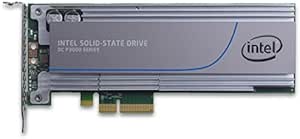
Intel SSDPEDME020T401 DC P3600 Series SSD
Intel's DC P3600 NVMe SSD delivers data center-grade speed and endurance in a 2TB AIC form factor.
$1,300.00*
View on Amazon
✓ In Stock on Amazon.com
*Price sourced from Amazon.com. Last updated:Jun 04, 2026.Price and availability are subject to change.
Affiliate Disclosure: Studio Supplies may earn a commission from qualifying purchases made through links on this page, at no additional cost to you. This helps support our editorial team.
Notice a mistake? Let Us Know
Overview
Key Features
NAND Flash Memory Type: 20nm multi-level cell (MLC)
Interface: PCI Express 3.0 x4 (NVMe)
Features: Temperature sensor, End-to-end data protection (ANSI), High Endurance Technology (HET), Thermal throttling, End-to-end data protection, S.M.A.R.T.
High Endurance and Breakthrough Performance
Power Loss Imminent (PLI) Technology protects data during power loss including in transit data
Stress-free data protection
High Endurance Technology(HET)
AES 256 bit Hardware Encryption
Temperature Monitoring and Logging
End to End Data Protection
Specifications
Brand
Intel
Model
SSDPEDME020T401
Series
DC P3600
Capacity
2TB
Interface
PCIe (NVMe)
Form Factor
AIC (Add-In Card), Half-Height Half-Length
Use Type
Enterprise / Data Center
Similar Products
Other products from the same family that visitors often consider:
 ✓ Available
Intel SSDPEDME020T401 DC P3600 Series 2TB SSD
$2,000.00
View on Amazon → ✓ Available
Intel SSDPEDME020T401 2.0TB DC P3600 Series
View on Amazon → ✓ Available
Intel SSDPEDME400G401 DC P3600 Series 400GB SSD
$400.00
View on Amazon → Currently Unavailable
Intel SSDPEDME800G401 DC P3600 Series 800GB SSD
Check on Amazon → Currently Unavailable
Intel SSDPEDME800G401 SSD DC P3600 Series 800GB PCIe
Check on Amazon →Pros & Cons
👍 Pros
- NVMe over PCIe architecture delivers dramatically lower latency and higher IOPS than SATA SSDs.
- 2TB capacity provides ample high-performance storage for data center workloads.
- Enterprise-class endurance ratings support sustained write-intensive operations.
- AIC half-height, half-length form factor fits standard server and workstation PCIe slots.
👎 Cons
- Requires a PCIe slot rather than a standard drive bay, which may limit installation options in some chassis.
- Older-generation NVMe controller technology offers lower peak performance than current-generation data center SSDs.
- Enterprise pricing is significantly higher per gigabyte than consumer NVMe drives.
- Power consumption is higher than SATA SSDs, a consideration for dense server deployments.
Frequently Asked Questions
What interface does the Intel DC P3600 use?
The DC P3600 uses a PCIe interface with an NVMe-architected controller, delivering significantly lower latency and higher throughput than SATA-based SSDs.
What form factor is the SSDPEDME020T401 and what slots does it fit?
It uses an Add-In Card (AIC) form factor designed to fit half-height, half-length PCIe slots in servers and workstations.
Is the DC P3600 designed for consumer or enterprise use?
The DC P3600 is an enterprise-class drive designed specifically for data center environments that require consistent performance, high endurance, and reliability under sustained workloads.
What is the storage capacity of this specific model?
The SSDPEDME020T401 is a 2TB capacity drive, providing substantial high-speed storage for data center applications.
Related Products


