

Intel
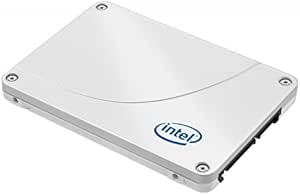
Intel SSDSA2CW600G310 600GB SATA SSD
Reliable Performance and Storage with Intel 320 Series SSDThe Intel 320 Series SSD delivers robust performance and ample storage for your computing needs. With a SATA 3Gb/s interface and MLC technology, this solid state drive ensures fast data access and enhanced system responsiveness. Storage ...
View price on Amazon
Affiliate Disclosure: As an Amazon Associate, Studio Supplies earns from qualifying purchases made through links on this page, at no additional cost to you. This helps support our editorial team.
Notice a mistake? Let Us Know
Overview
Reliable Performance and Storage with Intel 320 Series SSD
The Intel 320 Series SSD delivers robust performance and ample storage for your computing needs. With a SATA 3Gb/s interface and MLC technology, this solid state drive ensures fast data access and enhanced system responsiveness.
- Storage Capacity: 600 GB
- Form Factor: 2.5" Internal
- Interface: SATA 3Gb/s
- Technology: MLC (Multi-Level Cell)
Key Features
Perfect for Reducing Load Times in VR
2.5-inch Form Factor, 600GB Capacity SATA 3Gb/s, 25nm
Sequential Read 270 MB/s, Sequential Write 220MB/s
Random Read 39500 IOPS, Random Write 23000 IOPS
Latency Read 75 µs Latency Write 90 µs
Specifications
Capacity
600GB
Form Factor
2.5-inch
Interface
SATA 3Gb/s
NAND Flash Technology
25nm
Sequential Read Speed
270 MB/s
Sequential Write Speed
220 MB/s
Random Read IOPS
39,500
Random Write IOPS
23,000
Latency Read
75 µs
Latency Write
90 µs
Frequently Asked Questions
What is the capacity of this Intel SSD?
This Intel SSDSA2CW600G310 offers a storage capacity of 600GB.
What form factor is this SSD?
It features a 2.5-inch form factor, which is a common size for SSDs and compatible with many systems.
What are the sequential read and write speeds of this SSD?
The SSD boasts sequential read speeds of 270 MB/s and sequential write speeds of 220 MB/s.
What interface does this SSD use?
This Intel SSD utilizes a SATA 3Gb/s interface for connecting to your system.
Is this SSD suitable for reducing load times in VR applications?
Yes, the product features indicate it is "Perfect for Reducing Load Times in VR," suggesting its performance benefits immersive experiences.
What are the random read and write IOPS?
The SSD provides random read performance of 39,500 IOPS and random write performance of 23,000 IOPS.
Related Products


