

Intel
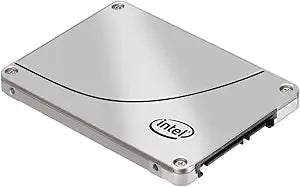
Intel SSDSC1NB240G401 DC S3500 Series 240GB 1.8-Inch SSD
Achieve Superior Data Center PerformanceExplore the Intel SSD DC S3500 Series, a high-performance solid-state drive designed for data center applications. It combines fast, consistent read performance with robust data protection and low power consumption. Ideal for video conferencing, big data an...
$300.00*
Check availability
*Price sourced from Amazon.com. Last updated:Aug 30, 2026.Price and availability are subject to change — details.
Affiliate Disclosure: As an Amazon Associate, Studio Supplies earns from qualifying purchases made through links on this page, at no additional cost to you. This helps support our editorial team.
Notice a mistake? Let Us Know
Overview
Achieve Superior Data Center Performance
Explore the Intel SSD DC S3500 Series, a high-performance solid-state drive designed for data center applications. It combines fast, consistent read performance with robust data protection and low power consumption. Ideal for video conferencing, big data analytics, and virtual client applications.
Specifications:
- Controller: Intel 3rd generation controller
- NAND Flash Memory: 20nm multi-level cell (MLC) NAND flash technology
- Data Protection: Full end-to-end data protection, enhanced power-loss data protection
- Compatibility: 1.8" x 5mm SATA drives
Key Features
NAND Flash Memory Type: Multi-level Cell (MLC)
Form Factor: 1.8"
Interface: SATA 6GB/s
Specifications
Series
DC S3500 Series
Capacity
240GB
Form Factor
1.8"
Interface
SATA 6GB/s
NAND Flash Memory Type
Multi-level Cell (MLC)
Frequently Asked Questions
What is the storage capacity of this Intel SSD?
This Intel DC S3500 Series SSD offers a storage capacity of 240GB, suitable for operating systems, essential applications, and frequently accessed data.
What type of NAND Flash Memory does this SSD use?
This SSD utilizes Multi-level Cell (MLC) NAND Flash Memory, known for its balance of performance, cost-effectiveness, and decent endurance for various workloads.
What is the form factor of this solid-state drive?
The Intel DC S3500 Series SSD has a compact 1.8-inch form factor, which is ideal for systems with limited physical space.
What interface does this Intel SSD use for connection?
It connects via a SATA 6GB/s interface, providing reliable and fast data transfer rates for compatible systems.
Is this SSD suitable for data center environments?
Yes, as indicated by its "DC S3500 Series" designation, this SSD is designed for data center use, implying enhanced reliability and consistent performance.
Related Products


