

Intel
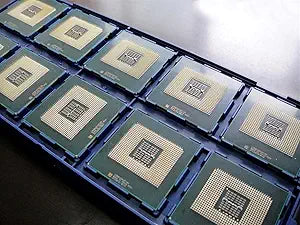
Intel Xeon Server CPU 2.8GHz Socket 604
A Socket 604 Intel Xeon processor with 2.8GHz clock speed and 2MB cache for legacy server maintenance and replacement.
View price on Amazon
Affiliate Disclosure: As an Amazon Associate, Studio Supplies earns from qualifying purchases made through links on this page, at no additional cost to you. This helps support our editorial team.
Notice a mistake? Let Us Know
Overview
Reliable Processing Power for Your Server Needs
The Intel Xeon Server CPU delivers dependable performance for server applications. This processor features a 2.8GHz clock speed, 800FSB, and 2MB cache.
- Clock Speed: 2.8GHz
- FSB: 800
- Cache: 2MB
- Socket Type: 604pin
Frequently Asked Questions
What server platforms use the Socket 604 Xeon processor?
Socket 604 was used in server and workstation motherboards from the early-to-mid 2000s era, including platforms from Dell, HP, and IBM that supported Intel's NetBurst-architecture Xeon processors.
What is the front-side bus speed of this Xeon CPU?
This processor features an 800MHz front-side bus (FSB), which determines the communication speed between the CPU and the chipset.
Is this processor suitable for a dual-CPU server configuration?
Socket 604 Xeon processors were commonly used in dual-processor server boards. Compatibility depends on the specific motherboard and chipset supporting multi-CPU configurations.
What is the 2MB cache used for on this processor?
The 2MB cache stores frequently accessed data and instructions closer to the CPU cores, reducing the time needed to retrieve data from main memory and improving processing efficiency.
Related Products


