JVC

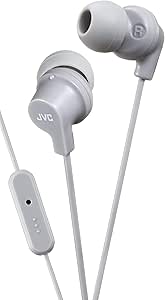
JVC HA-FR15-H-E In-Ear Sweat Proof Headphones with Mic - Grey

4.1 (150 reviews)

A sweat-resistant 9mm neodymium driver in a compact L-shaped cable package delivers clear, isolated audio with one-button call control for active daily use.

$14.95*
In Stock on Amazon.com
View on Amazon

*Price sourced from Amazon.com. Last updated:Jun 19, 2026.Price and availability are subject to change.

Affiliate Disclosure: Studio Supplies may earn a commission from qualifying purchases made through links on this page, at no additional cost to you. This helps support our editorial team.

Notice a mistake? Let Us Know

Overview

The JVC HA-FR15 is a wired in-ear monitor built around a 9mm neodymium dynamic driver — the same fundamental transducer technology used across the in-ear segment, differentiated here by driver diameter, magnet material, and acoustic chamber tuning. Neodymium magnets provide a higher flux density than ferrite equivalents at equivalent size, which translates to improved efficiency (more output per milliwatt of input) and tighter transient response. The 9mm diameter positions the HA-FR15 toward the smaller end of the in-ear driver spectrum, which shapes its acoustic profile: mid-range and high-frequency response are the engineering priorities, and sub-bass extension is inherently limited by the physical displacement a 9mm cone can produce. Passive noise isolation is entirely a function of ear tip fit — the included S/M/L silicone options cover the majority of ear canal geometries, and achieving the correct seal is the most important variable in both isolation and bass perception.

The HA-FR15 is designed for mobile use: the 1.2m L-shaped cable handles the geometry of phone-to-ear routing without excess length, and the inline remote/mic unit keeps call management on the cable rather than requiring phone access. The sweat-resistant construction targets gym, commute, and outdoor use cases where moisture exposure is a routine factor. This is a practical, accessibly priced daily-carry earphone for users who prioritize reliable call handling and passive isolation over premium audio performance — it does not compete with armature-driver IEMs or higher-driver-count dynamic units on technical audio metrics, but for voice communication, podcast listening, and casual music playback, the 9mm neodymium driver delivers more than adequate output at very low drive impedance requirements.

Key Features

Integrated into the cable 1 button remote control and mic unit

Powerful sound with 9 mm neodymium driver units

Superior suppression unwanted ambient noise

L-shaped matching 1.2 m long connection cable 3.5 mm jack plug

Different coloured headphones from silicone rubber in the size S/M/L are included

Specifications

Driver Type
Dynamic, 9mm neodymium
Fit Type
In-ear (canal)
Connection
3.5mm L-shaped TRRS jack
Cable Length
1.2m
Remote
1-button inline remote with microphone
Moisture Resistance
Sweat-proof
Ear Tips Included
Silicone, S/M/L sizes
Color
Grey

Pros & Cons

👍 Pros

  • Neodymium driver magnet delivers higher magnetic flux density than ferrite alternatives at the same 9mm diameter, improving sensitivity and dynamic response at low listening volumes.
  • Three silicone tip sizes (S/M/L) included, allowing acoustic seal optimization for different ear canal geometries — a proper seal is the single largest factor in passive isolation performance.
  • L-shaped 3.5mm connector reduces mechanical stress at the plug entry point, a common failure point on straight-plug earphones used during physical activity.
  • 1.2m cable length is calibrated for mobile device use from a pocket or waistband without excess slack or insufficient reach.
  • Integrated single-button remote and microphone enables call handling without removing the earphones or accessing the paired device.

👎 Cons

  • The 9mm driver diameter limits sub-bass extension — users who prioritize deep low-frequency response will find the HA-FR15's bass reproduction physically constrained by driver size relative to larger 10–12mm competitors.
  • Single-button remote lacks volume or track-skip controls, requiring device interaction for anything beyond play/pause and call answer.
  • No IPX rating is published for this model — the sweat-proof designation is not tied to a standardized ingress protection test, making durability in heavy moisture conditions unverifiable against a spec.
  • The 3.5mm wired connection is incompatible with devices that have eliminated the headphone jack, requiring a separate adapter for newer smartphones.
  • Fixed cable design means a damaged cable requires replacing the entire unit rather than swapping a detachable component.

Frequently Asked Questions

The HA-FR15's sweat-resistant build protects against moisture from exercise, but it is not rated to a specific IPX standard in the product documentation. It is suitable for gym sessions and light outdoor activity, but should not be submerged or used in heavy rain.
A 9mm neodymium driver in this form factor prioritizes mid-range clarity and moderate bass response over wide frequency extension. The small driver diameter limits sub-bass reach, but neodymium magnets provide stronger magnetic flux than ferrite alternatives of the same size, improving efficiency and dynamic range at low listening volumes.
Passive isolation comes entirely from the silicone ear tip seal. The included S/M/L tips allow you to optimize the acoustic seal for your ear canal — a proper fit can attenuate ambient noise by 15–20 dB without any active noise cancellation circuitry. A poor fit will substantially degrade both isolation and bass response.
The 3.5mm TRRS plug is compatible with smartphones, tablets, laptops, and audio players with a standard 3.5mm headphone/microphone combo jack. The L-shaped connector reduces cable strain at the plug entry point compared to straight jacks. Devices with USB-C or Lightning ports only will require a separate adapter.
The single-button inline remote typically supports play/pause and call answer/end functions. Multi-step controls like skip track or volume adjustment are not available on a single-button implementation — those require the device's own interface.