



JWEINENL
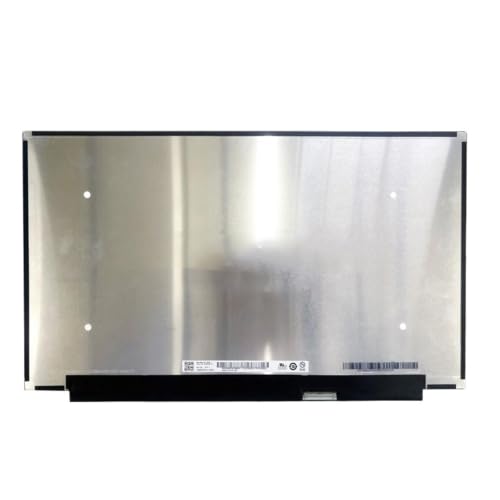
JWEINENL 15.6" FHD 120Hz IPS Laptop Replacement Screen
A 120Hz FHD IPS replacement panel that brings smoother motion and wider viewing angles to a tired 15.6-inch laptop
$129.85*
View on Amazon
✓ In Stock on Amazon.com
*Price sourced from Amazon.com. Last updated:Oct 22, 2026.Price and availability are subject to change — details.
Affiliate Disclosure: As an Amazon Associate, Studio Supplies earns from qualifying purchases made through links on this page, at no additional cost to you. This helps support our editorial team.
Notice a mistake? Let Us Know
Overview
Key Features
Ultra HD Display: Equipped with a mature high-end display solution, it delivers delicate visuals for all kinds of images, text, and videos. The picture is clear and sharp, allowing you to enjoy an immersive viewing experience at home, with excellent overall image quality for daily use.
Rich and Realistic Colors: With a wider color gamut, the colors are vibrant and true to life, avoiding dull or washed-out visuals. It faithfully reproduces the original tones of the image, enhancing the atmosphere when watching movies or other media.
Smooth Motion: Screen transitions are quick and responsive, and fast-moving scenes are less likely to show ghosting or lag. Whether watching films or interacting with the device, everything feels smooth, making dynamic scenes more enjoyable to watch.
Low Power Design: Power consumption has been reasonably optimized, so it doesn’t add extra energy use once set up. The device offers stable and balanced battery life, combining high-quality display performance with long-term usability.
15.6" Laptop Gaming LCD LED Display Screen , B156HAN13.1 NV156FHM-NX1 , 120Hz Slim Matrix FHD 1920×1080 EDP 40 Pin IPS
Specifications
Brand
JWEINENL
Screen Size
15.6"
Panel Models
B156HAN13.1 / NV156FHM-NX1
Resolution
1920×1080 (FHD)
Refresh Rate
120Hz
Panel Type
IPS
Backlight
LED
Connector
eDP 40-Pin
Surface Finish
Matte
Form Factor
Slim
Product Type
Laptop Replacement Screen
Frequently Asked Questions
Will this panel fit my laptop and work as a direct replacement?
Only if your existing screen matches the B156HAN13.1 or NV156FHM-NX1 model number, along with the 1920×1080 resolution, 120Hz refresh, and eDP 40-pin connector described in the listing.
Can I use this JWEINENL screen as a standalone external monitor?
No. The source describes a bare replacement laptop panel with a 40-pin eDP connector, not a finished monitor, so it has no enclosure, stand, or driver board of its own.
What refresh rate and resolution does this display offer?
The panel is specified at a 120Hz refresh rate and Full HD 1920×1080 resolution, which is higher than the 60Hz found on many stock laptop screens.
Is this an IPS screen, and does that improve viewing angles?
Yes, the listing specifies an IPS matrix, which is intended to provide wider viewing angles and more faithful color than the TN panels it commonly replaces.
Does the matte finish help with glare and reflections?
The panel uses a matte surface, which the source associates with a clear, sharp picture and is generally intended to reduce reflections in brighter environments.
Will installing this screen hurt my laptop's battery life?
The listing cites a low-power design meant to keep energy use balanced once installed, though no specific power draw figures are provided in the source.
Related Products

