



Generic
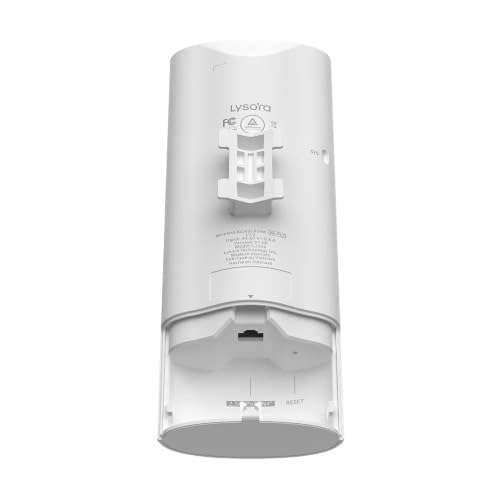
Lysora L7-T Wi-Fi 7 BE5040 Outdoor PoE Access Point
A Wi-Fi 7 BE5040 access point built for the outdoors, with IP65 weatherproofing and a single PoE cable handling both power and 2.5GbE data
$278.00*
View on Amazon
✓ In Stock on Amazon.com
*Price sourced from Amazon.com. Last updated:Oct 21, 2026.Price and availability are subject to change — details.
Affiliate Disclosure: As an Amazon Associate, Studio Supplies earns from qualifying purchases made through links on this page, at no additional cost to you. This helps support our editorial team.
Notice a mistake? Let Us Know
Overview
Key Features
WI-FI 7 TECHNOLOGY: Supports the latest BE5040 Wi-Fi 7 standard for faster speeds and lower latency.
2.5GbE WIRED UPLINK: Features a 2.5 Gigabit Ethernet port for high-throughput wired connectivity.
IP65 WEATHERPROOF RATING: Fully protected against dust and water jets, making it ideal for outdoor deployments.
5 STREAMS PERFORMANCE: Delivers multi-stream capability across bands for improved capacity and coverage.
POE POWERED: Supports Power over Ethernet for flexible, cable-efficient installation without a separate power source.
Specifications
Model
Lysora L7-T
Manufacturer
Lysora
Wi-Fi Standard
Wi-Fi 7 (BE5040)
Wired Uplink
2.5 Gigabit Ethernet (2.5GbE)
Spatial Streams
5 streams across bands
Weatherproof Rating
IP65 (dust and water jet protected)
Power
Power over Ethernet (PoE)
Deployment
Outdoor
Frequently Asked Questions
Is the Lysora L7-T rugged enough to mount outdoors year-round?
Yes. It carries an IP65 rating, meaning the enclosure is fully protected against dust and against water jets, which suits it to exposed walls, poles, and open-air installations.
Does the 2.5GbE port actually matter for a Wi-Fi 7 access point?
It does. Wi-Fi 7 can exceed gigabit speeds, so the L7-T's 2.5GbE uplink gives the wired backhaul enough headroom to avoid bottlenecking the wireless link.
Do I need a separate power supply for the L7-T?
No. The access point is PoE-powered, so a single Ethernet cable carries both data and electricity, letting you place it where no electrical outlet is available.
What does the BE5040 designation mean on this access point?
BE5040 refers to its Wi-Fi 7 class, the standard the L7-T uses to deliver the faster speeds and lower latency associated with the newest wireless generation.
How many streams does the L7-T support, and why does that count?
Five streams. Spreading capacity across bands helps the access point maintain coverage and serve more simultaneous devices in a busy area.
Related Products


