

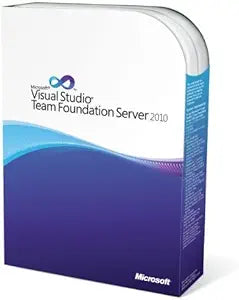
Microsoft
Microsoft 125-00859 Visual Studio Team Foundation Server 2010 Upgrade
Enhance Team Collaboration with Integrated ALM Tools The Visual Studio Team Foundation Server 2010 Upgrade is a powerful collaboration platform at the core of Microsoft's application lifecycle management (ALM) solution. Automating the software delivery process, it provides organizations with too...
Check availability
Affiliate Disclosure: As an Amazon Associate, Studio Supplies earns from qualifying purchases made through links on this page, at no additional cost to you. This helps support our editorial team.
Notice a mistake? Let Us Know
Overview
Enhance Team Collaboration with Integrated ALM Tools
The Visual Studio Team Foundation Server 2010 Upgrade is a powerful collaboration platform at the core of Microsoft's application lifecycle management (ALM) solution. Automating the software delivery process, it provides organizations with tools to manage software development projects throughout the IT lifecycle. This upgrade enables teams to collaborate effectively, be more agile, and deliver better quality software.
- Visibility: Reduce Risk with Real-time Visibility.
- Traceability: End-to-end Traceability.
- Planning: Lightweight Agile Planning Tools.
- Management: Project and Portfolio Management.
- Builds: Prevent Broken Builds.
Key Features
Reduce Risk with Real-time Visibility
End-to-end Traceability
Lightweight Agile Planning Tools
Project and Portfolio Management
Prevent Broken Builds
Specifications
Software Title
Visual Studio Team Foundation Server 2010 Upgrade
Type
Software Upgrade
Key Feature 1
Reduce Risk with Real-time Visibility
Key Feature 2
End-to-end Traceability
Key Feature 3
Lightweight Agile Planning Tools
Key Feature 4
Project and Portfolio Management
Key Feature 5
Prevent Broken Builds
Frequently Asked Questions
Is this a full version of Team Foundation Server, or does it require a previous installation?
This is an "Upgrade" version of Microsoft Visual Studio Team Foundation Server 2010, meaning it requires a pre-existing qualifying license and installation to function.
Does this version of TFS include source control management?
Yes, Team Foundation Server 2010, like other versions, includes integrated source control management functionalities to track changes in code.
Can this software be used for large-scale enterprise projects?
Team Foundation Server 2010 is designed for various scales of projects, offering features for real-time visibility, traceability, and project management suitable for enterprise environments.
Is there a maximum number of users supported by this upgrade?
The product title specifies an upgrade, and user licensing typically depends on the underlying license model of the original installation or CALs purchased separately, which are not detailed here.
Are agile development methodologies supported by this software?
Yes, Visual Studio Team Foundation Server 2010 includes lightweight agile planning tools to support agile development practices.
Does this version integrate with other Microsoft development tools?
As a Microsoft product, it is designed to integrate well with other Microsoft development tools, particularly components of the Visual Studio ecosystem.
Related Products


