

Microsoft
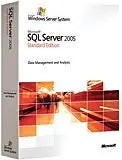
Microsoft 228-04019 SQL Server 2005 Standard Edition, 1 Processor License
Efficient Data Management SolutionThe Microsoft SQL Server Standard Edition 2005 delivers a reliable platform for database management. This 64-bit edition supports single-processor environments, offering a robust solution for a variety of business applications. Edition: Standard Year: 2005 Archi...
$8,354.96*
Check availability
*Price sourced from Amazon.com. Last updated:Aug 30, 2026.Price and availability are subject to change — details.
Affiliate Disclosure: As an Amazon Associate, Studio Supplies earns from qualifying purchases made through links on this page, at no additional cost to you. This helps support our editorial team.
Notice a mistake? Let Us Know
Overview
Efficient Data Management Solution
The Microsoft SQL Server Standard Edition 2005 delivers a reliable platform for database management. This 64-bit edition supports single-processor environments, offering a robust solution for a variety of business applications.
- Edition: Standard
- Year: 2005
- Architecture: 64-Bit
- Processor License: Single Processor
Specifications
Software Title
SQL Server 2005 Standard Edition
Publisher
Microsoft
License Type
1 Processor License
Frequently Asked Questions
What edition of SQL Server 2005 is this product?
This product is the Standard Edition of Microsoft SQL Server 2005, designed for general database management needs.
What kind of licensing is offered with this product?
This offering is a 1 Processor License, meaning it is licensed per physical processor for the server on which it is installed.
Is SQL Server 2005 still supported by Microsoft?
No, SQL Server 2005 is an older version and has reached its end-of-life for mainstream support and extended support from Microsoft, meaning no new security updates or technical assistance are provided.
For what kind of environment would SQL Server 2005 Standard Edition be suitable?
SQL Server 2005 Standard Edition was generally suitable for small to mid-sized businesses requiring a robust database solution for their applications and data storage.
What are the primary considerations when purchasing this specific version of SQL Server?
The main consideration is that it is a legacy software from 2005, which means it is likely not compatible with modern systems, lacks current security updates, and should only be considered for very specific legacy system requirements.
Related Products


