

Microsoft
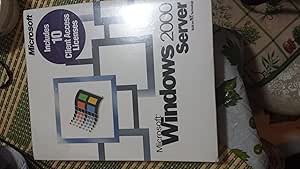
Microsoft C11-00018 Windows 2000 Server - Old Version
Establish a Reliable Network InfrastructureIntroducing Microsoft Windows 2000 Server, a robust and scalable solution for managing networks, applications, and web services. This classic server software is designed to provide enhanced reliability and flexibility for your business needs. Specificati...
Check availability
Affiliate Disclosure: As an Amazon Associate, Studio Supplies earns from qualifying purchases made through links on this page, at no additional cost to you. This helps support our editorial team.
Notice a mistake? Let Us Know
Overview
Establish a Reliable Network Infrastructure
Introducing Microsoft Windows 2000 Server, a robust and scalable solution for managing networks, applications, and web services. This classic server software is designed to provide enhanced reliability and flexibility for your business needs.
Specifications:
- Platform: Windows 2000
- Client Support: 10-Client License
- Key Features: Improved Network Services, Application Services, Web Services
Specifications
Product
Windows 2000 Server
Publisher
Microsoft
Version Status
Old Version
Frequently Asked Questions
Is Microsoft Windows 2000 Server still supported with security updates?
No, Microsoft Windows 2000 Server is an old version and is no longer supported by Microsoft with security updates or technical assistance.
Can this operating system run modern server applications?
It is highly unlikely that Windows 2000 Server can run modern server applications due to its age and lack of support for contemporary software requirements and technologies.
Will this server OS be compatible with new hardware?
Compatibility with new hardware would be extremely limited. Windows 2000 Server was designed for hardware available at its release, and it will likely lack drivers for modern components.
Is Windows 2000 Server secure enough for current network environments?
Due to the absence of ongoing security updates, Windows 2000 Server is not considered secure enough for modern network environments and poses significant risks.
Why would someone still use an old version like Windows 2000 Server?
Users might still operate Windows 2000 Server for legacy applications that specifically require this operating system to function, often within isolated or tightly controlled environments for compatibility reasons.
Does this product include any specific service pack information?
The provided product title and features do not specify any particular service pack information for this old version of Microsoft Windows 2000 Server.
What are the main limitations of using an old server operating system today?
The primary limitations include severe security vulnerabilities due to lack of updates, poor hardware compatibility, inability to run modern software, and potential integration issues with newer network infrastructure.
Related Products


