

Microsoft
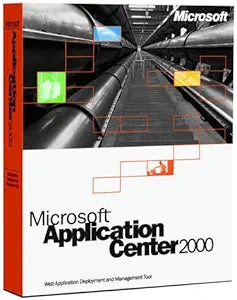
Microsoft D93-00013 Application Center 2000 CD
Streamline Web Application Management with Microsoft Application Center 2000 Microsoft Application Center 2000 provides administrators with powerful tools for deploying and managing web applications built on Windows 2000. Designed to simplify complex tasks, this software enables on-demand scalabi...
$3,019.99*
Check availability
*Price sourced from Amazon.com. Last updated:Oct 10, 2026.Price and availability are subject to change — details.
Affiliate Disclosure: As an Amazon Associate, Studio Supplies earns from qualifying purchases made through links on this page, at no additional cost to you. This helps support our editorial team.
Notice a mistake? Let Us Know
Overview
Streamline Web Application Management with Microsoft Application Center 2000
Microsoft Application Center 2000 provides administrators with powerful tools for deploying and managing web applications built on Windows 2000. Designed to simplify complex tasks, this software enables on-demand scalability and high availability for business-critical web applications, reducing operational costs and enhancing overall efficiency.
Key Features:
- Type: Application Deployment and Management Tool
- Compatibility: Web Applications built on Windows 2000
- License: 1 Processor License
Specifications
Product
Application Center 2000
Format
CD
Brand
Microsoft
Frequently Asked Questions
What is Microsoft Application Center 2000 designed to do?
Microsoft Application Center 2000 is designed to help enterprises manage and scale web applications, providing tools for deployment, monitoring, and load balancing across server farms.
Is this software compatible with modern operating systems?
As an older software title, Microsoft Application Center 2000 may encounter compatibility issues with contemporary operating systems, potentially requiring legacy environments for operation.
Can this product help with application deployment?
Yes, Application Center 2000 simplifies the deployment of distributed applications, making it easier to manage them across multiple servers in a farm.
Does Application Center 2000 offer monitoring capabilities?
The software includes robust monitoring tools that allow administrators to track the health and performance of applications and servers in real time.
Is there active support available for Application Center 2000?
Given its age, active official support for Microsoft Application Center 2000 is likely discontinued, which might make finding current support resources challenging.
Related Products


